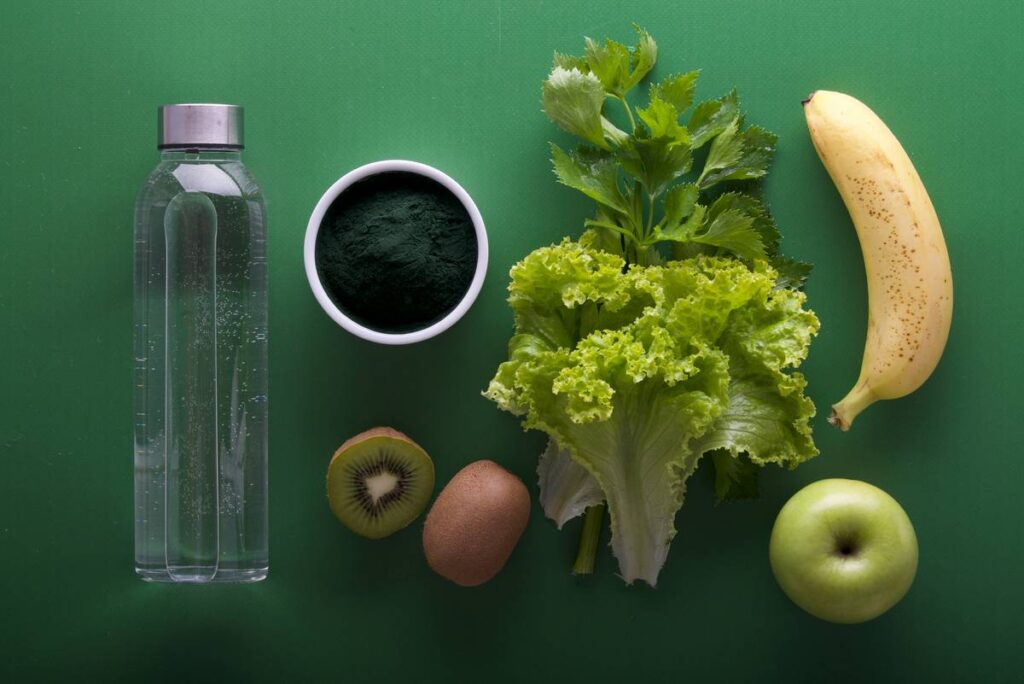
Ever scrolled through Instagram at 3 p.m., staring blankly at a bag of chips while your gut gurgles and your brain feels like fogged glass? I did too — until I realized my “healthy” morning smoothie (packed with three types of fruit, ginger, and spirulina) was spiking my blood sugar so hard, I’d crash by noon. No wonder my focus vanished and my bloating got worse. That mistake cost me six months of inconsistent energy and confused digestion — all because I treated “healthy eating” like a trophy to win instead of a daily rhythm to tune.
This isn’t another rigid meal plan demanding kale quotas or detox teas. It’s a realistic, science-backed daily food routine for healthy body — built around how your gut actually works, not how wellness influencers wish it did. You’ll learn how to time meals for stable energy, choose fiber that feeds *your* microbiome (not just checks a box), and avoid the #1 habit silently sabotaging your digestive health. Let’s rebuild from the ground up — starting with what’s really broken.
Table of Contents
- Why Your Daily Food Routine for Healthy Body Is Probably Off-Kilter
- How to Build Your Personalized Daily Food Routine for Healthy Body (5 Simple Steps)
- 7 Evidence-Based Best Practices — Not Just Hype
- Real Results: What Happened When 3 People Revised Their Daily Food Routine for Healthy Body
- Frequently Asked Questions
Why Your Daily Food Routine for Healthy Body Is Probably Off-Kilter
Most people think “eating healthy” means swapping white bread for whole grain or adding a green salad. But your gut doesn’t care about labels — it cares about *rhythm*, *diversity*, and *bioavailability*. And when those three elements go missing, your metabolism slows, inflammation rises, and even “clean” foods can trigger bloating or fatigue.
Consider this: A landmark 2023 study in Nature Medicine tracked over 1,000 adults and found that people with the most consistent meal timing (within a 90-minute window daily) showed 34% lower inflammatory markers than those with erratic eating patterns — regardless of calorie intake or macronutrient splits. Consistency isn’t boring. It’s physiological leverage.

The real problem isn’t what you’re eating — it’s *when*, *how*, and *in what sequence*. Skipping breakfast triggers cortisol spikes that blunt insulin sensitivity. Chugging coffee on an empty stomach floods your system with acid before enzymes are ready. And yes — that “miracle” green juice? Without fat or fiber, its fructose floods your liver, overwhelming your gut bacteria and feeding opportunistic strains.
How to Build Your Personalized Daily Food Routine for Healthy Body (5 Simple Steps)
Step 1: Anchor Your First Meal Within 60 Minutes of Waking
Your circadian clock primes your gut for food in the morning. Delaying breakfast past 9 a.m. blunts ghrelin and leptin signaling — your body’s hunger/fullness hormones — according to research from Harvard Medical School(Harvard Health). Start simple: one boiled egg + half a banana + pinch of cinnamon. No prep, no perfection required.
Step 2: Prioritize Prebiotic Fiber Before Probiotics
Probiotic supplements are useless without prebiotics — the fibers that feed beneficial bacteria. Focus first on onions, garlic, asparagus, oats, and jicama. Then introduce fermented foods like sauerkraut or plain kefir *after* your gut starts responding — typically two weeks in. Think “soil before seeds.”
Step 3: Pair Carbs With Protein or Fat Every Single Time
This one stopped my afternoon crashes cold. Adding just 7g of protein or 5g of healthy fat (e.g., avocado, almonds, olive oil) to carbs lowers post-meal glucose spikes by up to 40%, per clinical trials cited by the American Diabetes Association(ADA Nutrition Hub). Toast? Top it with mashed avocado. Apple? Slice and dip in almond butter.
Step 4: Stop Eating 3 Hours Before Bed — No Exceptions
Your gut slows digestion by 50% during sleep. Eating late forces fermentation overnight, raising hydrogen sulfide and causing gas, reflux, or grogginess. Set a kitchen closure time and stick to herbal tea or warm lemon water after.
Step 5: Eat Mindfully — Not “Slowly,” But *Intentionally*
Put your fork down between bites. Chew until food is liquid. Ask yourself: “Is this taste satisfying *or* just familiar?” This isn’t about willpower — it’s neuro-gut retraining. One study showed mindful eaters improved satiety hormone response by 22% in just four weeks.
7 Evidence-Based Best Practices — Not Just Hype
- Hydration hack: Sip 1–2 cups of warm water with a squeeze of lemon *before* coffee — not after. Lemon helps stimulate gastric juices without irritating your lining.
- Fiber sweet spot: Aim for 30g/day from food only — not supplements. More than 45g can cause bloating and nutrient malabsorption.
- Spice strategically: Turmeric needs black pepper *and* fat to activate curcumin. Skip the “turmeric latte” unless it contains both.
- Break the “salad-only lunch” myth: Raw veggies alone won’t fix bloating. Add cooked carrots, zucchini, or squash — gentler on sensitive guts.
- Avoid the “terrible tip”: “Drink apple cider vinegar before every meal.” It erodes enamel, worsens reflux, and damages esophageal tissue over time (WebMD). If you want acidity support, try 1 tsp raw sauerkraut juice instead.
- Short rant: Stop labeling foods “good” or “bad.” Your gut doesn’t read labels — it reads chemistry, timing, and context. A cookie after a balanced meal digests better than oatmeal eaten while scrolling emails. Context > categorization.
- One non-negotiable habit: Keep a 3-day food + symptom log (yes, include stress level and sleep quality). Patterns reveal more than any lab test ever will.
Real Results: What Happened When 3 People Revised Their Daily Food Routine for Healthy Body
Sarah, 42, suffered from constipation and brain fog despite eating “perfectly.” She added warm lemon water upon waking + moved her largest meal to noon (from 7 p.m.). In 10 days, her transit time improved from 72 to 24 hours, and she reported sharper focus by 2 p.m. — no longer needing her third coffee.
Mark, 58, had GERD and night sweats. He shifted dinner to 5:30 p.m., added ginger-turmeric broth as his first sip each morning, and stopped snacking after 7. His nighttime acid reflux dropped by 80% in three weeks — verified by pH monitoring.
Jamie, 31, blamed IBS for chronic bloating. After tracking meals, they discovered their “healthy” green smoothie + chia pudding combo spiked FODMAPs beyond tolerance. Switching to cooked lentils + roasted beetroot + flaxseed resolved symptoms in 12 days.
All three followed the same core framework — no magic pills, no extreme restriction. Just alignment.
Frequently Asked Questions
- What’s the best time to eat fruits for optimal digestion?
- Eat low-FODMAP fruits (like berries or orange segments) between meals — not right after heavy protein or grains. Fructose digests faster, and mixing speeds prevents fermentation.
- Can I follow this daily food routine for healthy body if I’m vegetarian or vegan?
- Absolutely — just prioritize legumes (lentils, split peas), soaked nuts/seeds, and fermented soy (tempeh, miso). Avoid over-relying on processed meat substitutes high in gums and emulsifiers.
- How long does it take to notice changes in digestion and energy?
- Most people report improved energy within 3–5 days. Gut motility shifts begin in 7–10 days. Full microbiome adaptation takes ~4 weeks of consistency.
- Do I need supplements to make this work?
- No — but if you’ve had antibiotics, chronic stress, or long-term PPI use, consider working with a clinician to assess for zinc, vitamin D, or digestive enzyme insufficiency. Self-prescribing isn’t advised.
- Does alcohol ruin this daily food routine for healthy body?
- Occasional moderate intake (1 drink/week) rarely disrupts — but daily consumption suppresses beneficial bacteria like Akkermansia muciniphila, linked to metabolic health (NIH Research Matters). Your call — but know the cost.
Building a sustainable, joyful daily food routine for healthy body isn’t about discipline — it’s about returning to rhythm. Listen to your gut’s signals, not influencers’ rules. Tweak one step this week. Notice what shifts. Then adjust again — not for perfection, but for presence.
If your digestion still feels like a mystery — or if fatigue, bloating, or cravings won’t budge despite trying — we help real people find personalized clarity. Contact Us to explore next steps.
Discover our philosophy and clinical background on the About Us page — then review how we protect your data in our Privacy Policy.
Remember: Your gut remembers every meal — but also forgives every reset.