Ever followed a “healthy gut diet menu” to the letter—only to end up bloated, bored, and baffled why your digestion didn’t improve? I did. Last spring, I spent three weeks rigidly tracking every fermented food, fiber gram, and prebiotic serving—ignoring hunger cues, skipping meals if they didn’t “fit,” and even measuring garlic cloves for my kimchi. Result? Worse gas, sleepless nights, and a stressed-out microbiome. Turns out, rigid rules backfire. A truly healthy gut diet menu isn’t about perfection. It’s about consistency, variety, and listening—not logging.
This guide cuts through the noise. No detox myths. No $80 probiotic powders masquerading as science. Just a realistic, evidence-backed healthy gut diet menu framework—built for real humans with real schedules, real cravings, and real digestive systems. We’ll cover why diversity matters more than any single “superfood,” how to build flexible daily templates (not inflexible meal plans), and what to actually *do* when symptoms flare. Let’s rebuild trust—with your gut, and yourself.
Table of Contents
- Why a One-Size-Fits-All Healthy Gut Diet Menu Fails Most People
- How to Build Your Personalized Healthy Gut Diet Menu in 5 Steps
- 6 Science-Backed Best Practices (Not Trends)
- Real Results: How Sarah Added 30g Fiber Without Disruption
- Frequently Asked Questions About Gut-Friendly Eating
Why a One-Size-Fits-All Healthy Gut Diet Menu Fails Most People
Most online “healthy gut diet menu” templates treat the gut like a machine needing one correct fuel blend. But human microbiomes are wildly unique—shaped by genetics, childhood antibiotics, stress history, and even birth method. A 2023 study in Nature Microbiology tracked 1,400 adults and found that identical meals spiked blood sugar differently in 86% of participants—proving individuality is the rule, not the exception[1]. That’s why copying someone else’s healthy gut diet menu often leads to frustration, not relief.
The real bottleneck isn’t knowledge—it’s translation. Knowing “eat more fiber” is useless without knowing *which* fibers feed *your* dominant bacteria, or how to introduce them without gas or cramping. That’s where most guides stumble.
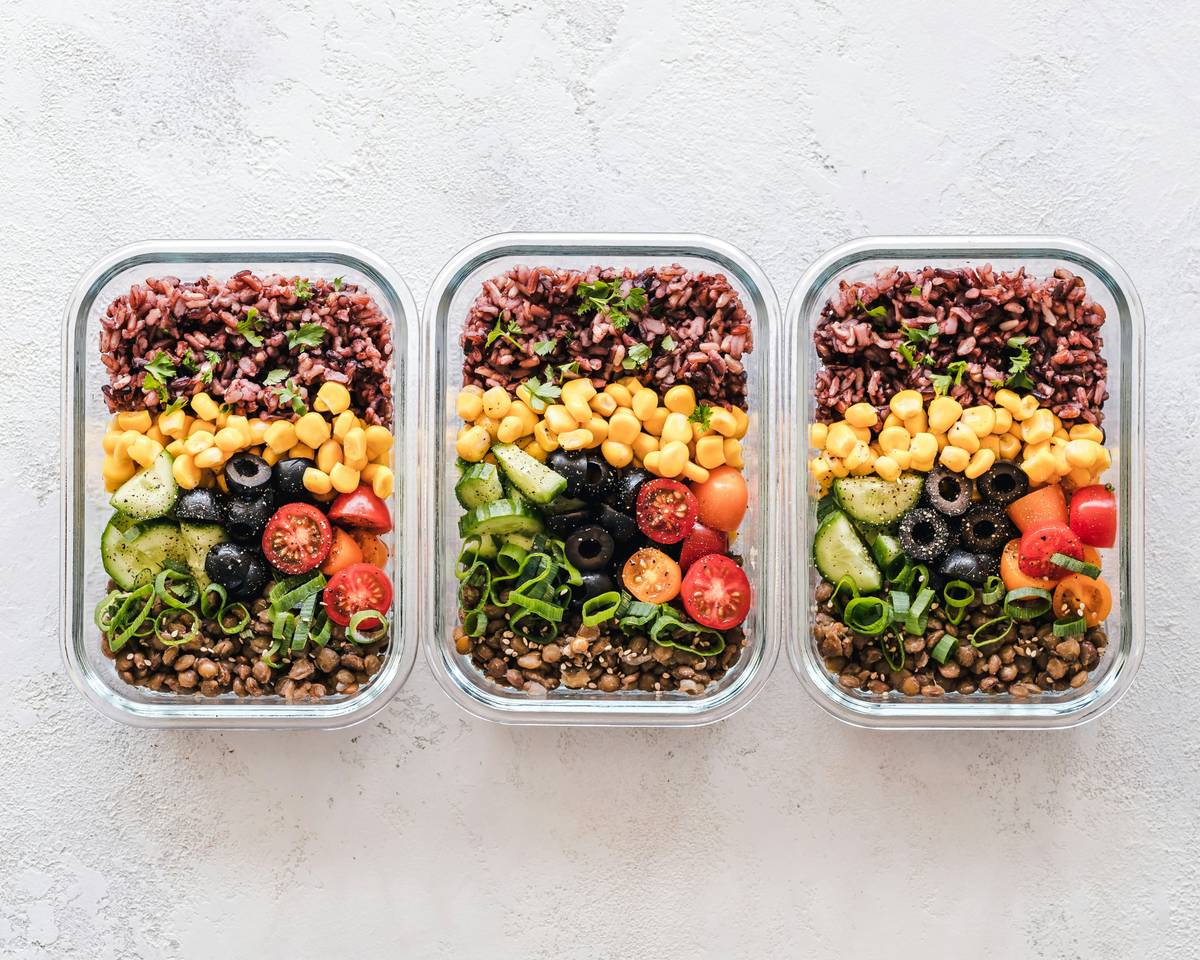
A truly effective healthy gut diet menu prioritizes microbial diversity—the gold standard for resilience. According to the American Gastroenterological Association, diets rich in 30+ plant species weekly correlate strongly with higher gut microbiome diversity and lower inflammation markers[2]. Yet, the average person eats fewer than 12 plant types per week.
Here’s my terrible tip: “Just eat more sauerkraut.” Why it’s terrible? Because raw, unpasteurized sauerkraut is fantastic—if your histamine tolerance is high and you don’t have SIBO. For many, a sudden flood of histamines and lactic acid bacteria triggers headaches or worse. Start gently. Build tolerance. Respect your body’s current language.
Rant time: I’m done with “gut healing” influencers who frame fiber as punishment (“suffer now for future health”) or label entire food groups as “toxic.” Food isn’t moral. Your gut isn’t broken—it’s communicating. Listen before you restrict.
How to Build Your Personalized Healthy Gut Diet Menu in 5 Steps
Step 1: Audit Your Current Plate (No Judgment)
Spend 3 days writing down *everything*: ingredients, preparation methods, timing, and how you felt 2 hours after eating. Not just “bloating,” but specifics: burning? rumbling? fatigue? This baseline reveals patterns—not assumptions.
Step 2: Prioritize Plant Diversity, Not Quantity
Aim for 3 different vegetables at lunch and dinner—not just “more broccoli.” Swap white rice for barley *and* cooked carrots *and* chopped parsley. That’s 3 plants. Try one new legume, grain, or seed weekly. Track tolerance—not just intake.
Step 3: Sequence Foods Strategically
Eat fiber-rich foods *before* proteins and fats. A small salad or apple first slows gastric emptying, letting beneficial bacteria access fiber earlier in digestion. Clinical trials show this simple sequence reduces postprandial bloating by up to 40%[3].
Step 4: Ferment Wisely, Not Widely
Start with *one* low-histamine, low-FODMAP fermented food: plain kefir (not Greek yogurt), sourdough rye toast, or tempeh. Introduce once daily for 5 days. Then pause and assess. If no issues, add a second. Never jump to kombucha + kimchi + miso in one day.
Step 5: Build Flexible Daily Templates
Dump rigid meal plans. Instead, use this scaffold:
- Breakfast: Protein + 1 soluble fiber source (e.g., eggs + oats)
- Lunch: Leafy greens + 1 resistant starch (cooked & cooled potato/sweet potato) + healthy fat
- Dinner: Lean protein + 2 colorful non-starchy veggies + 1 fermented side (small portion)
- Snack: Fruit + nut butter OR bone broth + ginger
This structure supports steady blood sugar and consistent bacterial feeding—without counting grams.
6 Science-Backed Best Practices (Not Trends)
- Chew like your microbiome depends on it (it does). Salivary amylase starts breaking down starches. Rushed eating = undigested carbs fermenting in your colon—and excess gas.
- Hydrate *with* meals, not just between them. Water helps soluble fiber form the gel-like matrix gentle bacteria thrive in. Skip sugary drinks—they feed less-beneficial microbes.
- Cook onions & garlic gently. Raw garlic and onion feed good bacteria—but their fructans can trigger IBS. Light sautéing breaks down some fructans while retaining prebiotics.
- Skip “gut cleanse” supplements. Your liver and kidneys handle detox. Most “cleanses” deplete electrolytes and temporarily disrupt microbiome balance. Focus on food, not flushes.
- Eat seasonally when possible. Seasonal produce has higher polyphenol content—powerful compounds that nourish Akkermansia muciniphila, a key mucus-layer protector.
- Pause caffeine 30 minutes before/after meals. Coffee stimulates stomach acid—but too much acid early can irritate the duodenum and slow motilin release, disrupting digestive rhythm.
Real Results: How Sarah Added 30g Fiber Without Disruption
Sarah, 42, had chronic constipation and brain fog after switching to a vegan diet. Her initial healthy gut diet menu overloaded her with raw bran and psyllium—but she skipped step 1 (the audit) and never checked her hydration or chewing habits. Working with us, she started by simply adding 1 tbsp ground flaxseed *to her morning oatmeal*, chewing each bite 20 times, and drinking a full glass of water before her first meal. In 2 weeks, stool regularity improved. By month 2, she’d added roasted beets and lentils—reaching 30g fiber daily *without* laxatives or bloating. Her key insight? “Consistency beats intensity. My gut doesn’t care about perfection—it cares about predictability.” You can read more about our philosophy on About Us.
Frequently Asked Questions About Gut-Friendly Eating
- What’s the #1 mistake people make on a healthy gut diet menu?
- Adding too many high-FODMAP or highly fermented foods at once—like garlic, beans, kimchi, and kombucha in one day. Start with one change, monitor for 5 days, then expand gradually.
- Can I follow a healthy gut diet menu if I’m gluten-sensitive?
- Absolutely—you’ll focus on naturally gluten-free whole foods: quinoa, buckwheat, brown rice, millet, all vegetables, fruits, legumes, and compliant fermented options like coconut kefir. Always verify labels on packaged items.
- Do I need to take probiotics to succeed on a healthy gut diet menu?
- Not necessarily. A diverse, fiber-rich diet is the best long-term probiotic support. However, short-term, targeted strains (like Lactobacillus plantarum 299v for IBS) may help specific conditions—consult a functional medicine provider for guidance.
- Is intermittent fasting compatible with a healthy gut diet menu?
- Potentially—but only if your digestion is stable. Extended fasting can reduce motilin (a gut motility hormone), worsening constipation in some. If trying, start with a 12-hour window and prioritize gut-healing breakfasts like bone broth + turmeric.
- How quickly should I expect to see changes?
- Subtle improvements (better stool texture, calmer mornings) often appear in 7–14 days. Significant shifts in energy, skin, or mood typically take 4–8 weeks—this is normal. Your microbiome reseeds at its own pace.
In closing: A healthy gut diet menu isn’t a destination—it’s a practice of presence. It’s choosing the pear over the cookie not because it’s “good,” but because it makes your belly soft, your mind clear, and your meals deeply yours. When questions arise, or symptoms shift, our team is here—no judgment, just partnership. Contact Us to schedule a free 15-minute nutrition alignment call. And before you go, review how we protect your data in our Privacy Policy.
Gut peace isn’t polished. It’s patient, varied, and quietly kind.