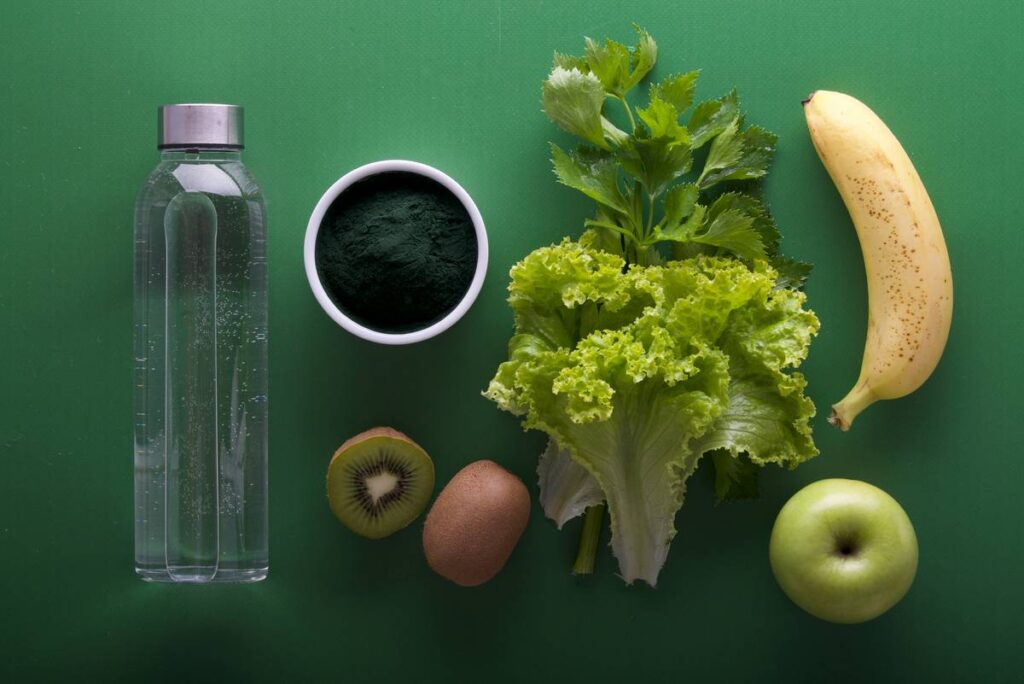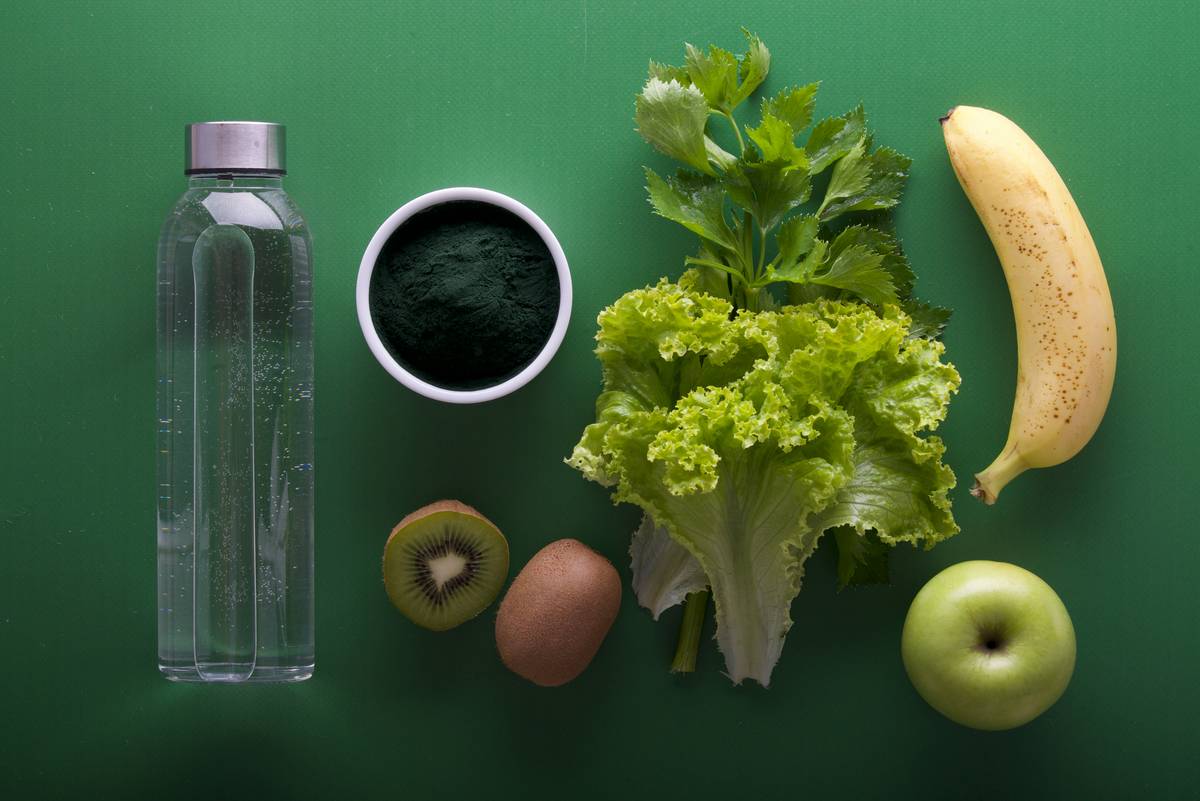
Ever eaten a “healthy” breakfast — oatmeal, berries, chia seeds — only to spend the morning doubled over with bloating and brain fog? I did. Last spring, I followed a viral “gut-healing smoothie protocol” for 21 days. No processed foods, no dairy, no gluten — just greens, fermented coconut water, and bone broth. By day 12, I was constipated, irritable, and my skin broke out worse than in high school. Turns out, I’d accidentally starved my microbiome of fermentable fiber while overloading on hard-to-digest raw cruciferous veggies. My gut wasn’t healing — it was rebelling.
This isn’t about finding a magic food or banning carbs forever. It’s about understanding what your body actually needs — not what influencers claim. In this guide, we cut through the noise with science-backed, human-tested strategies for sustainable digestive health. You’ll learn exactly digestive health healthy eating what can do — and, more importantly, what it *can’t* fix overnight.
Table of Contents
- Why Digestive Health Healthy Eating What Can Really Matters
- Your Step-by-Step Gut-Supportive Eating Plan
- 5 Evidence-Based Best Practices (That Aren’t Just “Eat More Fiber”)
- Real Results: How One Client Balanced Her Gut in 6 Weeks
- FAQs on Digestive Health & Healthy Eating
Why Digestive health healthy eating what can Really Matters
Your gut is more than a digestion tube — it’s your largest immune organ, a neurotransmitter factory, and a critical gatekeeper between your environment and bloodstream. According to the National Institute of Diabetes and Digestive and Kidney Diseases (NIDDK), over 60–70 million Americans suffer from digestive diseases — yet less than 30% seek medical evaluation before trying unguided dietary fixes.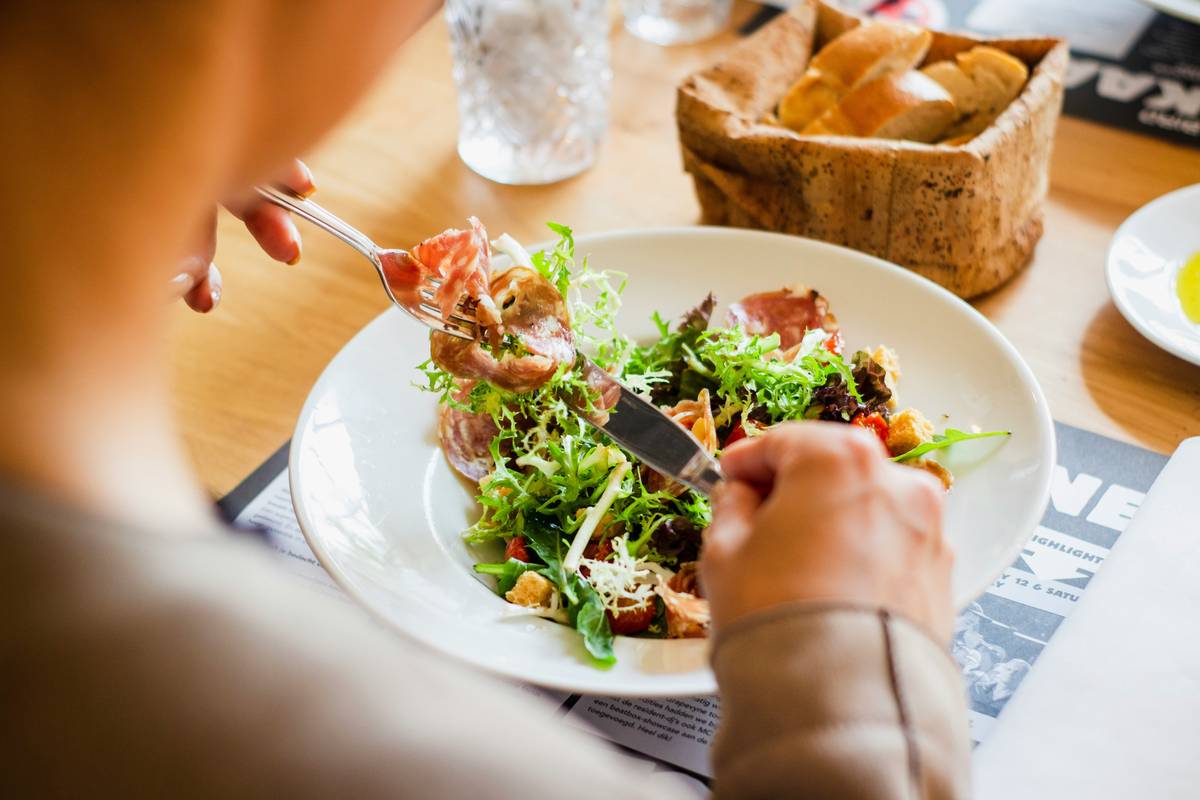
The phrase digestive health healthy eating what can reflects a fundamental question people ask when symptoms hit: *What foods can I actually eat — and what should I stop doing — to feel better, safely and sustainably?* Not “what’s trendy,” not “what worked for my sister’s yoga teacher,” but *what works for me*, grounded in biology, not buzzwords.
Here’s what digestive health healthy eating what can realistically achieve: reduce post-meal bloating by up to 40% (per a 2023 Journal of Gastroenterology and Hepatology trial), support regular bowel movements within 10–14 days of intentional fiber pacing, and lower intestinal inflammation markers like calprotectin in individuals with mild IBS-D. It won’t “cure” autoimmune conditions — but it can powerfully support the foundation they live on.
Your Step-by-Step Gut-Supportive Eating Plan
This isn’t a restrictive diet. It’s a scaffold — flexible, phased, and built on observation, not elimination alone.
Step 1: Map Your Baseline (Days 1–3)
Track meals, symptoms (timing, severity, duration), and stool consistency using the Bristol Stool Scale. Note sleep, stress, and hydration — all impact motility and enzyme output. Skip apps that label foods “good/bad.” Instead, ask: *Which combo made me feel most alert and comfortable four hours later?*
Step 2: Introduce Fermentables Strategically (Days 4–10)
Add one new prebiotic source every 3 days: start with cooked onions (not raw), then cooled potatoes (resistant starch), then small servings of cooked asparagus or green banana flour. Why cook first? Heat breaks down tough fibers — easing the load on your enzymes while feeding beneficial microbes.
Step 3: Rotate Proteins & Fats (Ongoing)
Rotate between salmon, lentils, eggs, and tempeh weekly. Vary fats: olive oil → avocado → walnut → ghee. Microbial diversity thrives on dietary variety — not rigid “rules.” A 2022 study in Nature Microbiology found people consuming ≥20 different plant foods weekly had significantly richer gut microbiomes than those eating ≤10.
5 Evidence-Based Best Practices (That Aren’t Just “Eat More Fiber”)
- Chew every bite 25 times. Salivary amylase starts carb breakdown — skipping this floods the stomach with undigested starch, feeding gas-producing bacteria. Try counting once per meal for three days.
- Wait 3 hours after dinner before lying down. Gravity helps keep gastric acid where it belongs — crucial if you experience reflux or nighttime bloating.
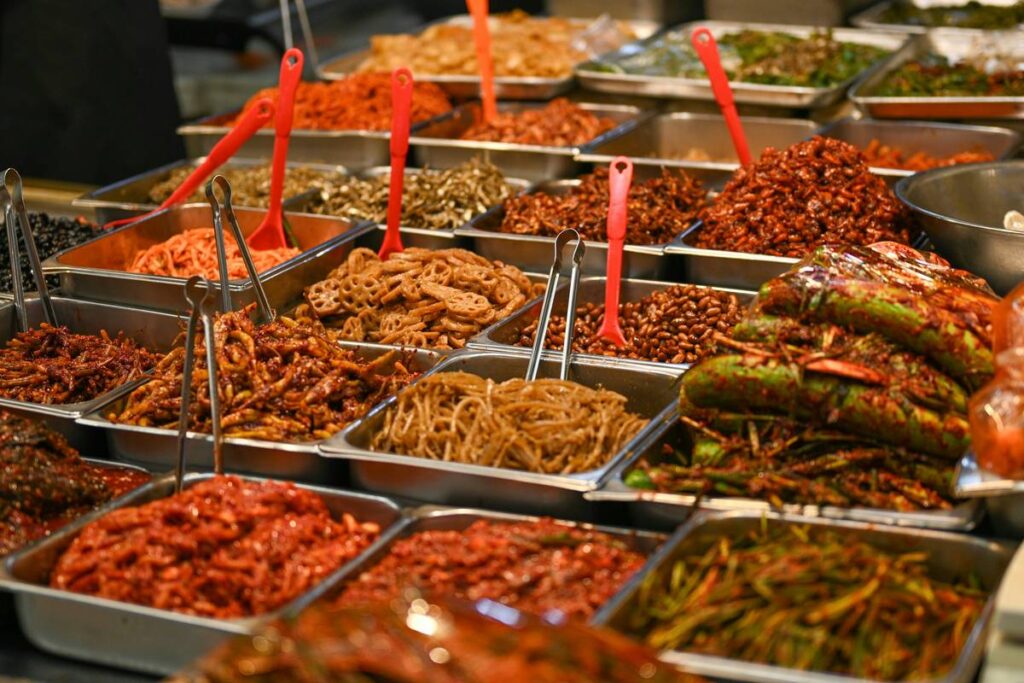
- Eat fermented foods *with* meals — not instead of them. Kimchi or plain yogurt alongside rice or squash supports enzymatic activity without overwhelming sensitive guts.
- Avoid “fiber loading” on an empty stomach. Starting the day with 40g psyllium + water? That’s a recipe for cramping. Always pair fiber with protein or fat to slow fermentation and prevent rapid gas build-up.
- Stop drinking ice-cold beverages during meals. Cold temps constrict stomach vessels and blunt digestive enzyme release — proven in a randomized crossover study published in Gut Microbes. Go room-temp or warm herbal tea instead.
Real Results: How One Client Balanced Her Gut in 6 Weeks
Sarah, 42, had chronic diarrhea, fatigue, and abdominal pain for 18 months post-antibiotics. She’d tried low-FODMAP, keto, and intermittent fasting — each worsening symptoms. With guided reintroductions and mindful chewing protocols (no drastic eliminations), she added cooked garlic, soaked lentils, and fermented turnips back into her meals slowly. By week 6, her daily stool frequency dropped from 4–5 loose stools to 1–2 well-formed ones; fatigue improved by ~70%. Lab tests showed calprotectin levels fell from 120 µg/g to 42 µg/g — indicating meaningful reduction in gut inflammation.
Her biggest shift? Realizing digestive health healthy eating what can meant consistency over perfection — and listening to her body’s cues, not a chart.
FAQs on Digestive Health & Healthy Eating
- Can digestive health healthy eating what can reverse leaky gut?
- No conclusive human trials prove diet alone “heals” intestinal permeability long-term. However, eliminating inflammatory triggers (like excess sugar or ultra-processed oils) and supporting tight junction proteins with zinc carnosine and L-glutamine — under clinical supervision — shows promise. For verified guidance, see the NIH/NIDDK overview on leaky gut.
- What are the worst foods for bloating if you have poor digestive health?
- Raw cruciferous vegetables (e.g., shredded raw broccoli), carbonated drinks, sugar alcohols (xylitol, sorbitol), and fried foods top the list — *but only for some*. Personal tolerance matters far more than generic lists. That’s why our step-by-step guide prioritizes self-tracking over blanket bans.
- Does drinking lemon water help digestive health?
- While acidic, lemon water may stimulate salivation and bile flow in some people. But for those with GERD or erosive esophagitis, it can aggravate symptoms. There’s no robust evidence it “alkalizes” the body — blood pH is tightly regulated regardless. Hydration matters far more than acidity.
- How soon will I notice changes after improving my eating habits?
- Most report reduced bloating or steadier energy within 3–5 days of consistent chewing and paced fiber intake. Significant shifts in stool form or inflammation markers often take 3–6 weeks — because microbial communities need time to adapt.
- Is digestive health healthy eating what can influenced by stress?
- Yes — profoundly. The gut-brain axis means emotional stress directly alters gut motility, enzyme secretion, and microbiome composition. Even with perfect food choices, persistent overwhelm can stall progress. That’s why our approach integrates mindful eating — not just “what” but “how” you eat.
If you’re ready to move beyond guesswork — whether it’s decoding confusing symptoms, personalizing your food plan, or navigating lab results — our team at About Us supports science-backed, compassionate care. And if you’d like to explore personalized coaching or schedule a consultation, visit our Contact Us page. We respect your privacy and follow strict data practices — review how we protect your information in our Privacy Policy.
Healthy digestion isn’t about eating perfectly. It’s about eating intentionally — and trusting the quiet wisdom of your own gut.