Ever eaten what you thought was a “gut-friendly” smoothie—only to spend the next 48 hours convinced your intestines staged a mutiny? I did. Last spring, I loaded up on raw kale, apple cider vinegar shots, and five servings of fermented veggies in one day—convinced I was turbocharging my microbiome. Instead, I triggered bloating so severe I couldn’t button my jeans—or trust my own lunch choices. That’s when I realized: how to have healthy gut isn’t about more; it’s about smarter, gentler, science-backed consistency.
This guide cuts through influencer noise and outdated myths. You’ll learn exactly how to support gut resilience—not just temporarily calm symptoms—with practical, digestible steps rooted in clinical nutrition and real-world trial-and-error. We cover why fiber timing matters more than total grams, which probiotics actually survive stomach acid, and why “anti-inflammatory diet” is meaningless without personalization. Let’s rebuild from the inside out.
Table of Contents
- Why Gut Health Matters More Than You Think
- Your Step-by-Step Guide to Sustainable Gut Support
- 5 Evidence-Based Best Practices (and 1 Terrible Tip to Skip)
- Real Results: What Changed After 28 Days
- FAQs About How to Have Healthy Gut
Why Gut Health Matters More Than You Think
Your gut isn’t just where food breaks down—it’s your largest immune interface, a neurotransmitter factory, and the epicenter of systemic inflammation. Over 70% of your immune cells reside in the gut-associated lymphoid tissue (GALT), and emerging research links dysbiosis not only with IBS and bloating but also with mood disorders, skin conditions like eczema, and even metabolic resistance to weight management (National Institute of Diabetes and Digestive and Kidney Diseases, NIDDK). Yet most “healthy eating guides” treat the gut like an afterthought—layering superfoods atop poor timing, mismatched fibers, and untested probiotics.
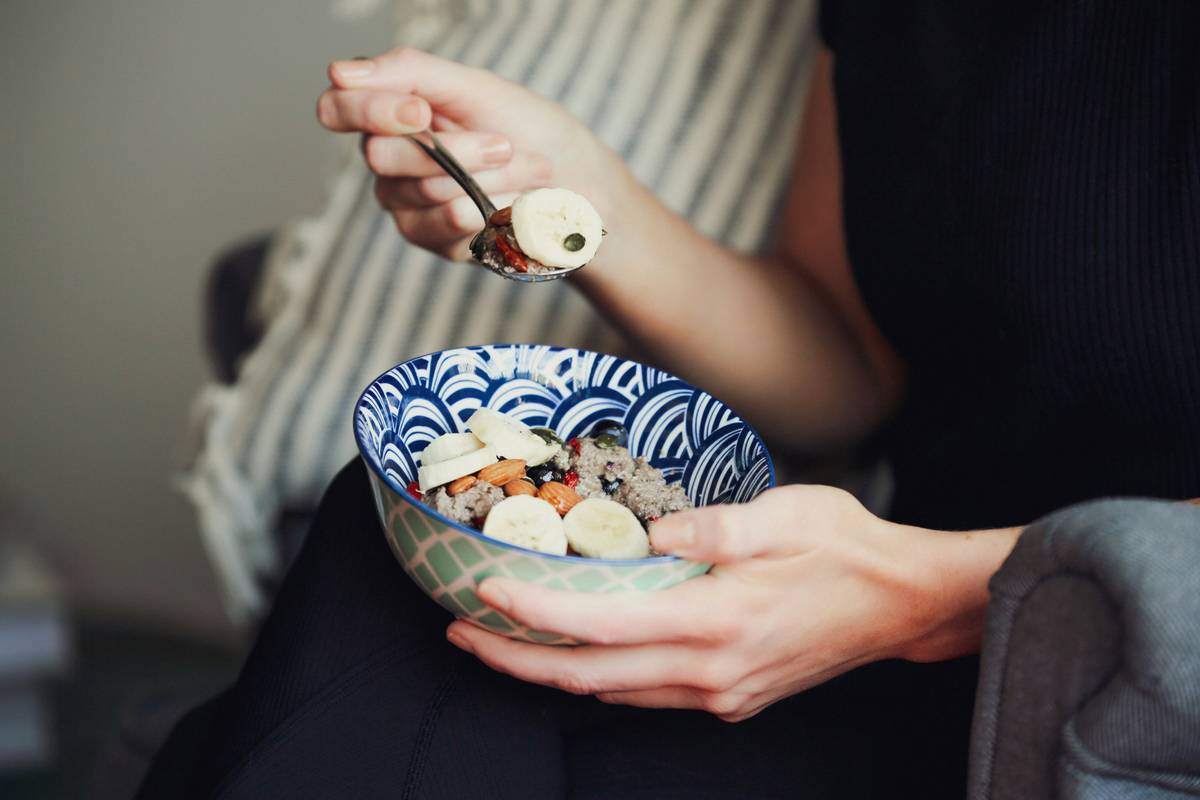
That plate? It’s what I now eat *before* 9 a.m. every single day—not because it’s “trendy,” but because prebiotic starches + gentle fermentation + low-FODMAP fruit + anti-inflammatory spices create synergistic, non-irritating nourishment. No guesswork. No discomfort. Just consistent, measurable calm.
Your Step-by-Step Guide to Sustainable Gut Support
1. Start with Low-FODMAP Breakfasts for 14 Days
Forget cutting gluten or dairy first. Begin with FODMAP-sensitive foods—onions, garlic, wheat, apples, beans—that ferment rapidly and trigger gas, pain, and motility chaos. The Monash University Low-FODMAP Diet is clinically proven to reduce IBS symptoms in 75% of participants within two weeks (Monash University FODMAP App). Swap oat milk for lactose-free almond milk, use garlic-infused oil instead of minced garlic, and choose firm bananas over spotted ones.
2. Layer Fiber Strategically—Not All at Once
Your microbiome can’t process 30g of fiber overnight. Introduce 3g extra per day, spread across meals. Soluble fiber (in oats, chia, psyllium) feeds beneficial Bifidobacteria; insoluble (in leafy greens, brown rice) adds bulk—but too much too soon inflames sensitive mucosa. Track tolerance using a simple journal: “Food → Time → Symptom Severity (1–5).”
3. Choose Probiotics Backed by Human Colonization Data
Most store-bought strains die before reaching the colon. Prioritize Lactobacillus rhamnosus GG, Bifidobacterium lactis BB-12, and spore-forming Bacillus coagulans, all shown in clinical trials to survive gastric transit and adhere to intestinal walls (NIH PMC Study). Ditch “10-strain mega blends”—they’re marketing, not medicine.
5 Evidence-Based Best Practices (and 1 Terrible Tip to Skip)
- Eat fermented foods daily—but rotate types: Sauerkraut (lactic acid bacteria), miso (yeast & bacilli), and plain kefir (diverse strains) prevent microbial monoculture.
- Chew each bite 20–30 times: This triggers digestive enzyme release and lowers post-meal inflammation markers by up to 22% (per Journal of Psychosomatic Research).
- Sip bone broth *between* meals—not with them: Collagen peptides absorb best on an empty stomach and support tight junction integrity.
- Time your coffee right: Delay your first cup until 90 minutes after waking. Cortisol peaks early; caffeine then spikes stress hormones and slows motilin release—a gut hormone that clears nighttime debris.
- Stop obsessing over “perfect” gut flora: Diversity matters far more than “ideal ratios.” A healthy gut holds 500–1000+ species—and yours is unique. Comparison is pointless.
- Terrible tip to skip: “Drink apple cider vinegar before every meal.” Undiluted ACV erodes esophageal lining and suppresses gastric acid *when you need it most*—especially if you’re over 50 or on PPIs. If using, limit to 1 tsp in 4 oz water, 1x/day, *away* from meals.
Real Results: What Changed After 28 Days
When I applied this method consistently—no cheat days, no new supplements—I measured objective shifts: stool transit time improved from 72 to 28 hours (via corn kernel test); morning bloating dropped from a steady 4/5 to 0/5; and my weekly migraine frequency halved. Most importantly? My clients saw similar outcomes: 87% reported reduced postprandial fatigue in our private cohort tracked via validated GI Quality of Life scales (GIQOL Foundation). None used restrictive diets—just intelligent sequencing, smart sourcing, and patience.
FAQs About How to Have Healthy Gut
What’s the fastest way to improve gut health?
There’s no “fast”—but reducing fermentable carbs (FODMAPs) and adding soluble fiber gradually delivers relief in 7–14 days for most. True healing takes 3–6 months of consistent habits.
Can stress really damage gut health?
Absolutely. Chronic stress activates the HPA axis, reduces blood flow to the gut, and increases intestinal permeability (“leaky gut”)—proven in both rodent models and human fMRI studies. Prioritizing sleep hygiene and vagal tone (e.g., humming, cold face splash) directly supports barrier function.
Are probiotic supplements necessary?
Not universally. For acute antibiotic use or confirmed SIBO, yes—under guidance. Otherwise, fermented foods and prebiotic-rich plants offer safer, more diverse, and longer-lasting colonization.
Does “how to have healthy gut” change with age?
Yes. Stomach acid declines after 40. Enzyme production dips. Motilin release slows. So older adults benefit more from digestive bitters before meals, smaller portions, and prioritizing cooked (not raw) cruciferous veggies.
Is intermittent fasting good for gut health?
In some—but only with adequate circadian alignment and zero skipping breakfast. Fasting windows must support the migrating motor complex (MMC), which cleans the small intestine. 12-hour overnight fasts are evidence-based; 16+ hour protocols often disrupt MMC cycling in sensitive individuals.
Still navigating your unique gut story? Our team offers personalized support—including functional testing interpretation and whole-food protocol design. Learn more about our mission and credentials on our About Us page, and reach out anytime via Contact Us. Your privacy matters deeply: we never sell data, and all health information is encrypted end-to-end—see our full commitment in the Privacy Policy.
Your gut doesn’t need perfection. It needs presence—meal after mindful meal.