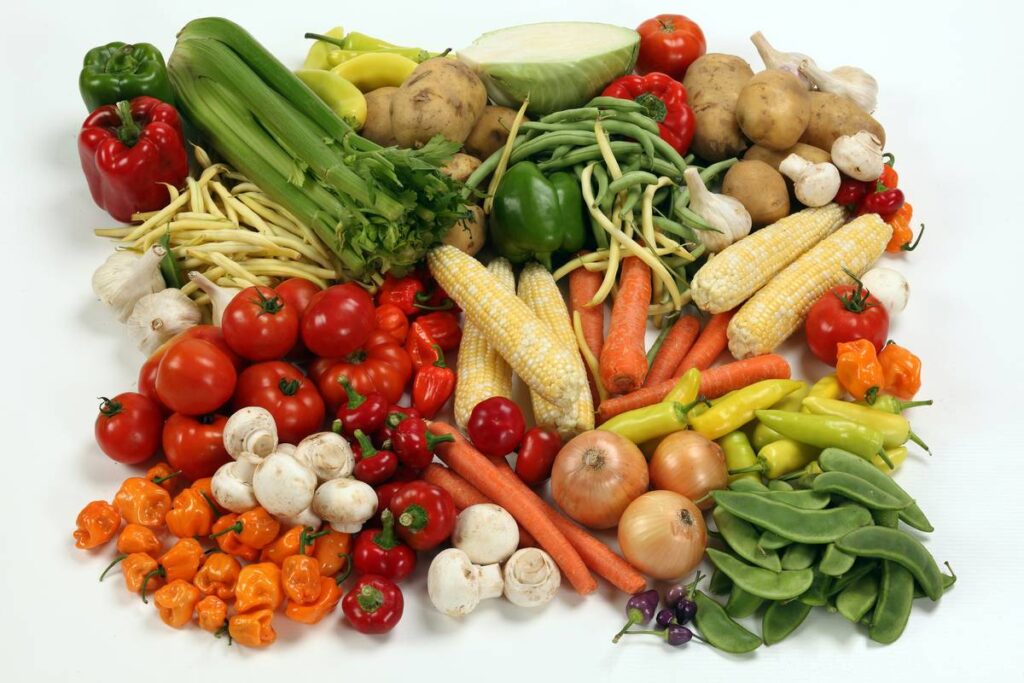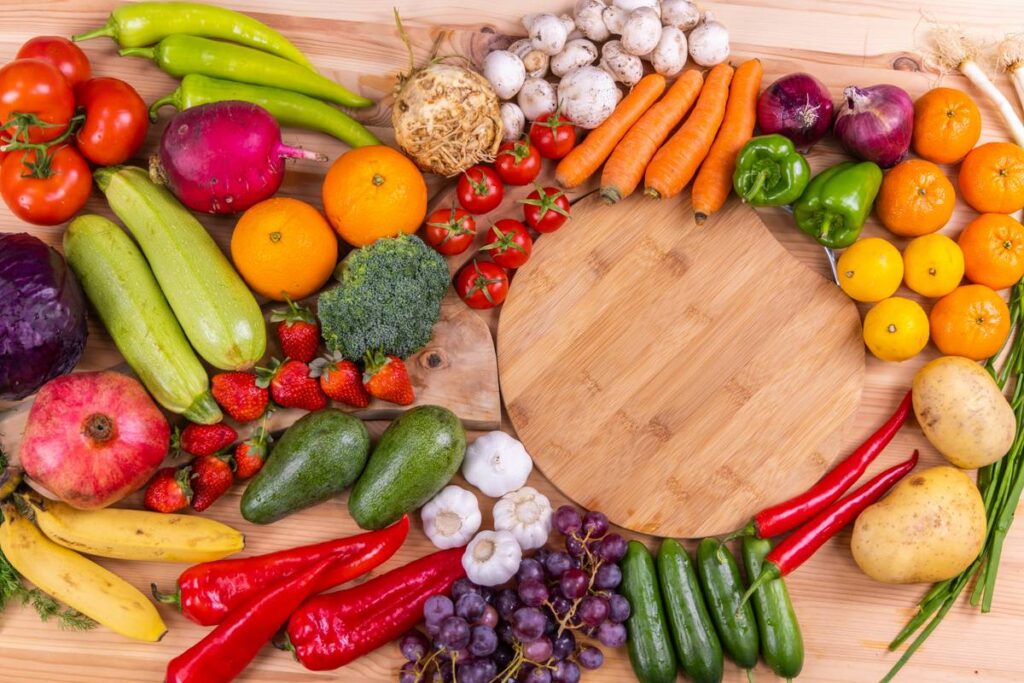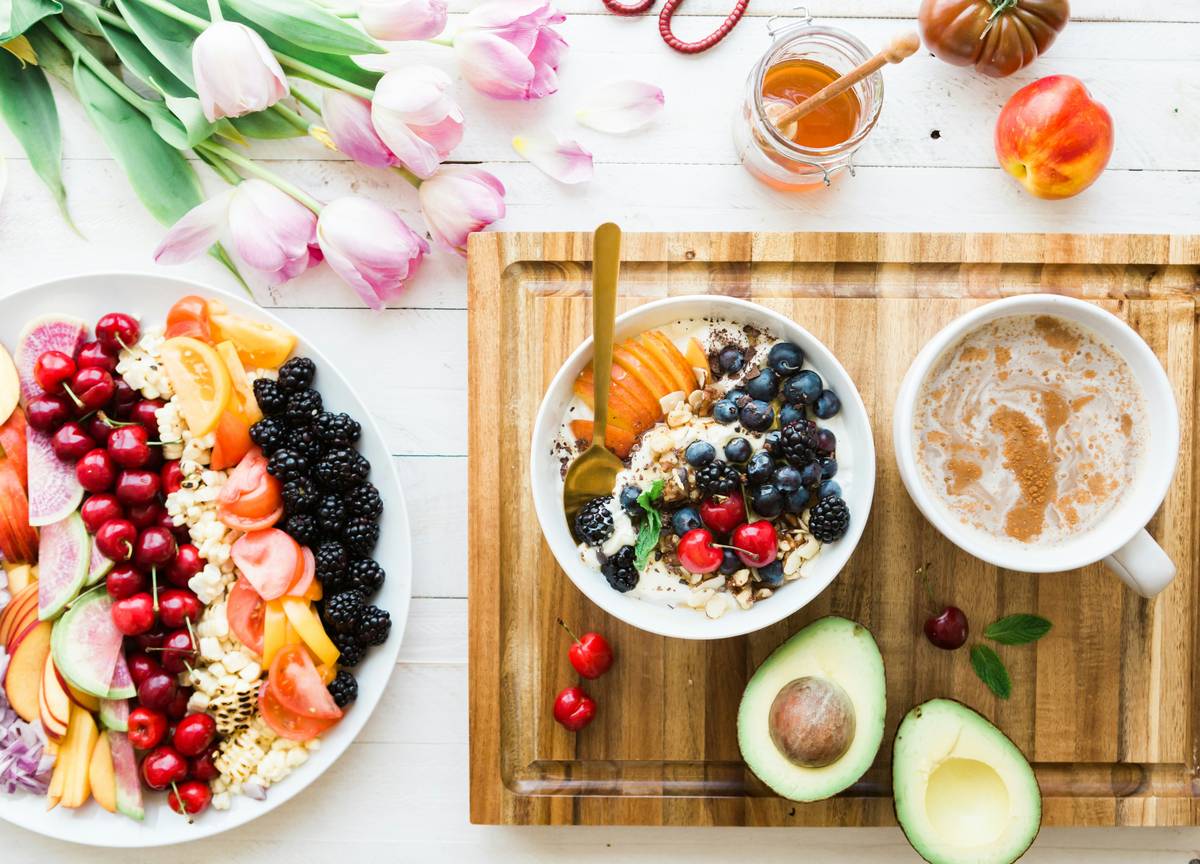
Ever feel bloated after lunch, drag through the afternoon, or battle unpredictable digestion no matter how “healthy” your meals seem? You’re not alone. Millions eat what they believe is clean food—yet still struggle with gut discomfort, fatigue, or inconsistent energy. The truth? Not all healthy food works for every gut. Eating for your gut isn’t about trends—it’s about tuning into your body’s unique microbial ecosystem. In this guide, you’ll discover science-backed strategies, real mistakes to dodge, and actionable steps that actually support long-term digestive wellness.
Table of Contents
- Why Your Gut Deserves Priority Attention
- Your Step-by-Step Plan to Eat for Better Digestion
- Top 5 Best Practices Most People Overlook
- Real Results: What Happens When You Align Food With Your Microbiome?
- Frequently Asked Questions
Key Takeaways
- Eating for your gut means prioritizing fiber diversity, fermented foods, and mindful eating—not just calorie counting.
- Avoid ultra-processed “health” foods labeled “low-fat” or “sugar-free”—they often harm beneficial bacteria.
- Consistency beats perfection: small daily habits create more impact than occasional extreme cleanses.
- Your gut responds uniquely—track symptoms, don’t follow influencers blindly.
Why Your Gut Deserves Priority Attention
Your gut houses trillions of microbes—an entire ecosystem influencing immunity, mood, skin health, and even cravings. According to the National Institutes of Health (NIH), a diverse gut microbiome is strongly linked to reduced inflammation and lower risk of chronic disease. Yet, modern diets high in refined sugars, artificial sweeteners, and low in plant variety starve these good bacteria.
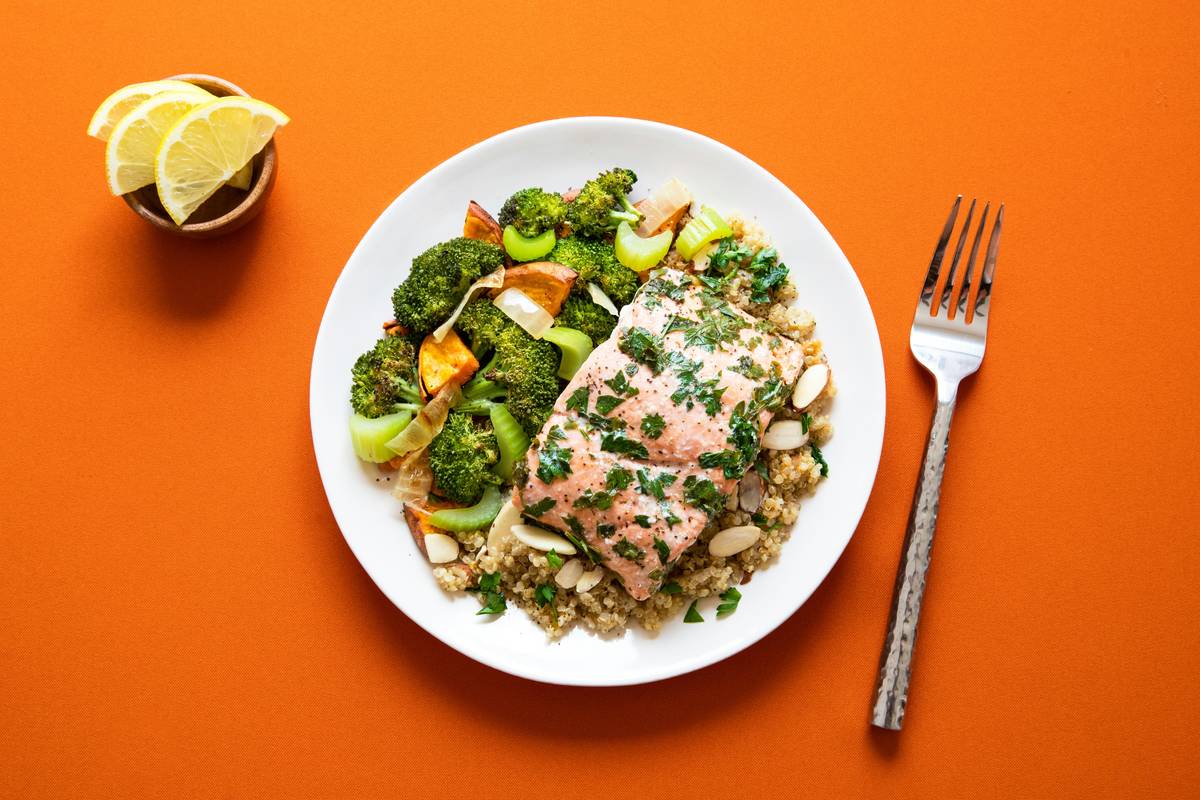
I learned this the hard way. Two years ago, I followed a strict “clean eating” plan heavy on grilled chicken, brown rice, and steamed broccoli—every day. Within weeks, I was constipated, exhausted, and bloated. My mistake? Zero fermented foods, minimal fiber variety, and no prebiotics. I thought I was eating healthy—but I wasn’t eating for my gut.
Your Step-by-Step Plan to Eat for Better Digestion
Start With Fiber Diversity
Aim for 30+ different plant types weekly—fruits, veggies, legumes, nuts, seeds, herbs. This feeds diverse bacterial strains. Think lentil soup with kale and turmeric, not just a plain salad.
Add Fermented Foods Daily
Incorporate one serving of kimchi, sauerkraut, kefir, or unsweetened yogurt. These introduce live probiotics naturally. Store-bought versions often pasteurize away benefits—choose refrigerated, unpasteurized options.
Ditch Sugar Substitutes
Artificial sweeteners like sucralose may disrupt microbial balance, as shown in a 2014 study published in Nature. Opt for small amounts of real maple syrup or dates instead.
Chew Like It Matters (Because It Does)
Rushing meals = poor digestion. Chew each bite 20–30 times. This signals your stomach to produce acid and enzymes properly—a simple hack many skip.
Top 5 Best Practices Most People Overlook
- Hydrate smartly: Drink water between meals, not during—they dilute stomach acid.
- Time your carbs: Pair fiber-rich carbs with protein/fat to stabilize blood sugar and feed microbes steadily.
- Avoid “gut cleanse” scams: Your liver and kidneys detox naturally. No juice fast fixes a damaged microbiome.
- Manage stress while eating: Cortisol shuts down digestion. Eat without screens, in calm settings.
- Track, don’t guess: Use a symptom journal for 2 weeks. Note food + bloating/energy/mood. Patterns emerge fast.
Real Results: What Happens When You Align Food With Your Microbiome?
Take Maria, a 42-year-old teacher from Oregon. After adding just two changes—daily kimchi and swapping white rice for black barley—her bloating dropped by 70% in three weeks. Her energy stabilized, and she stopped afternoon naps. Research supports this: a 2021 review in Cell confirmed that dietary fiber and fermented foods significantly increase microbial diversity within weeks. Consistency with gut-friendly choices—not perfection—drives change. At GWSMS, we’ve seen clients reverse years of digestive issues by focusing on real food, not quick fixes.
Frequently Asked Questions
Can I eat for my gut if I’m vegetarian or vegan?
Absolutely. Focus on legumes, tempeh, miso, flaxseeds, chia, and a rainbow of plants. Just ensure adequate B12 and zinc—nutrients critical for gut lining repair.
How quickly will I see results from eating for your gut?
Many notice reduced bloating in 5–7 days. Full microbial shifts take 4–6 weeks. Patience and consistency are key.
Are probiotic supplements better than food?
Foods offer diverse strains plus nutrients. Supplements help in specific cases (like post-antibiotics), but aren’t replacements for diet. Always consult your provider.
What’s the worst “healthy” food for gut health?
Low-fat, high-sugar yogurts and protein bars loaded with maltitol or sorbitol. They sound healthy but trigger gas and imbalance. Check labels!
Does coffee hurt gut health?
Moderate black coffee may support good bacteria, per a 2019 NIH review. But excess or sugary lattes? That’s trouble.
Conclusion
Eating for your gut isn’t a diet—it’s a lifelong dialogue with your inner ecosystem. Ditch the rigid rules, embrace variety, and listen to your body’s feedback. If you’re ready to personalize your approach or share your journey, we’d love to hear from you at our Contact Us page. And remember: trust takes time—both in relationships and in rebuilding your microbiome. For full transparency, review our Privacy Policy before sharing personal details.
Your gut isn’t asking for perfection. It’s asking for presence.