If you’ve ever felt bloated after a meal, struggled with inconsistent digestion, or just wondered why “healthy” foods sometimes leave you feeling worse—this is for you. A gut healthy diet isn’t about restrictive rules or trendy superfoods. It’s about building a sustainable eating pattern that supports the trillions of microbes living in your digestive tract. At GWSMS, we’ve spent years studying gut health, testing protocols, and yes—even messing up along the way. In this guide, you’ll learn exactly what is a gut healthy diet, how to build one without guesswork, and which common pitfalls to sidestep.
Table of Contents
- Why Gut Health Matters (More Than You Think)
- How to Build Your Gut Healthy Diet Step by Step
- Best Practices for Gut-Friendly Eating
- Real Results from Real Diets
- Frequently Asked Questions
Key Takeaways
- A gut healthy diet emphasizes fiber-rich, fermented, and minimally processed foods.
- Consistency beats perfection—small daily choices compound into major gut improvements.
- Not all “healthy” foods are gut-friendly; individual tolerance varies widely.
- Hydration and sleep are silent partners in gut health—they can’t be ignored.
Why Gut Health Matters (More Than You Think)
Your gut microbiome—the community of bacteria, fungi, and viruses in your intestines—plays a role in everything from immunity to mood. According to the National Institute of Diabetes and Digestive and Kidney Diseases (NIDDK), a balanced gut microbiome helps digest food, produce vitamins, and protect against harmful pathogens. Yet modern diets high in sugar, ultra-processed foods, and low in fiber starve beneficial bacteria.

I learned this the hard way. Two years ago, I followed a popular “clean eating” plan that cut out legumes and grains—all in the name of “detoxing.” Within weeks, my energy crashed, and my digestion worsened. Why? I’d eliminated prebiotic fibers essential for feeding good gut bacteria. That experience taught me: what is a gut healthy diet has nothing to do with elimination—it’s about inclusion and balance.
How to Build Your Gut Healthy Diet Step by Step
1. Start with Fiber Diversity
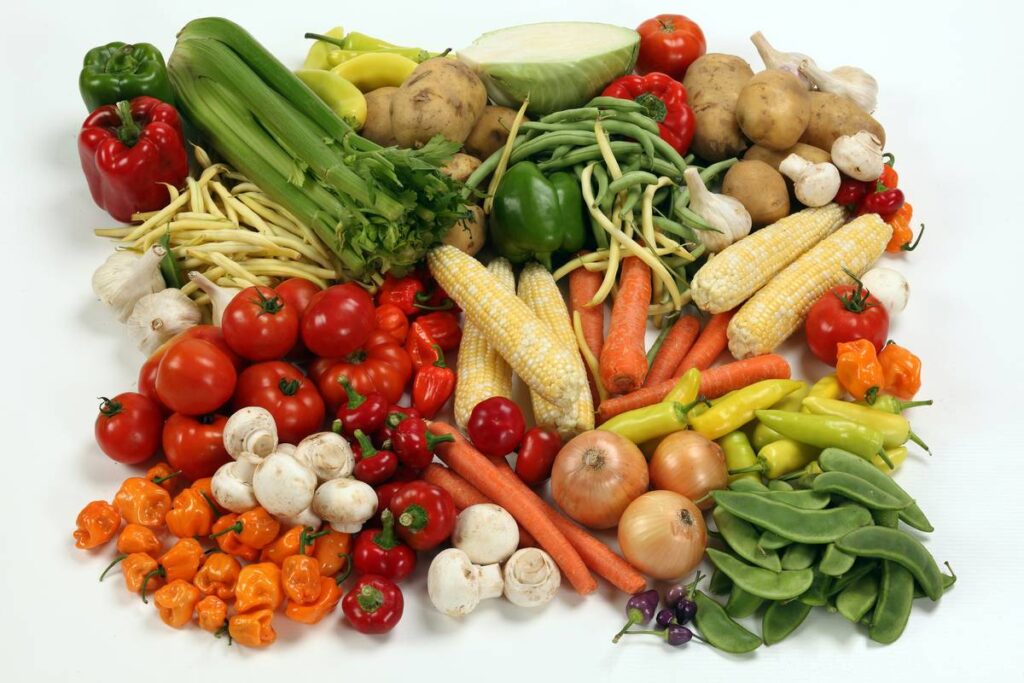
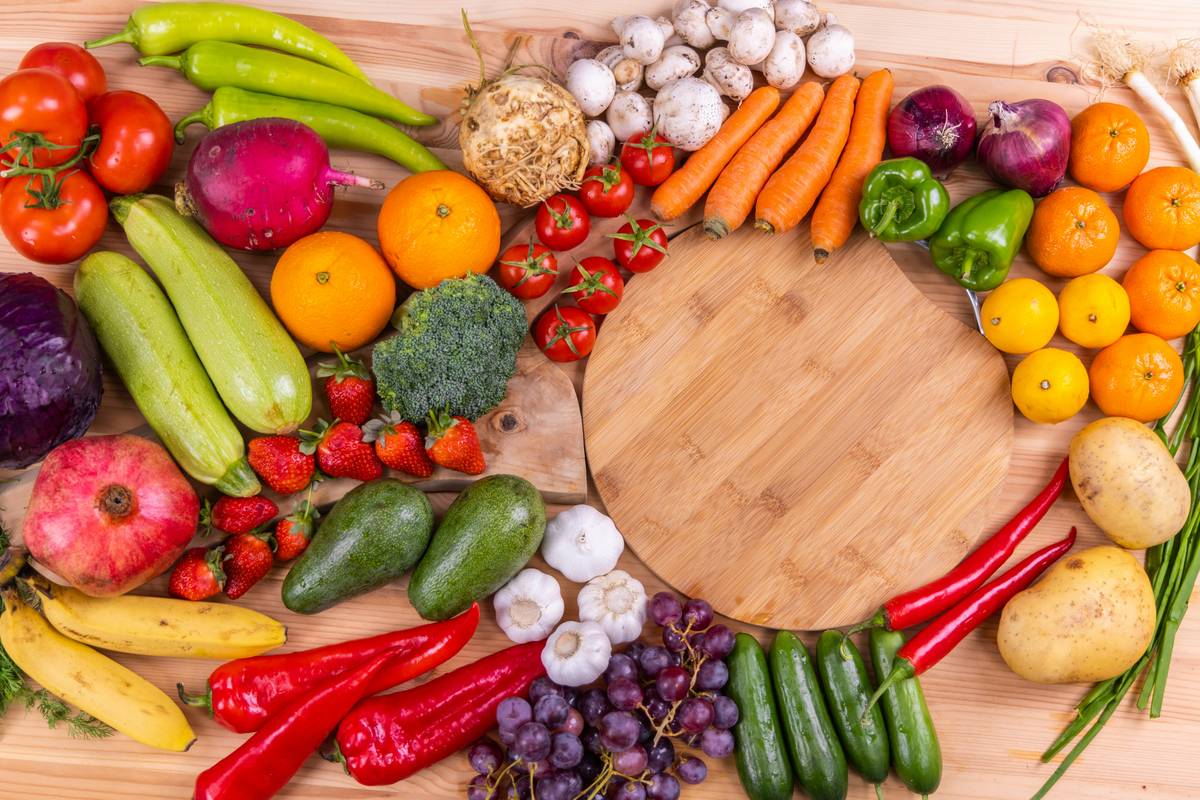
Aim for 30+ different plant foods per week—fruits, vegetables, legumes, nuts, seeds, and whole grains. Each type feeds different microbes. Oats, bananas, garlic, onions, and flaxseeds are especially rich in prebiotics.
2. Add Fermented Foods Daily
Incorporate at least one serving of naturally fermented food: unsweetened yogurt, kefir, sauerkraut, kimchi, or kombucha. These deliver live probiotics that support microbial diversity.
3. Reduce Ultra-Processed Items
Cut back on packaged snacks, sugary drinks, and artificial sweeteners. Studies (like those cited by NIH researchers) link these to reduced gut diversity and inflammation.
4. Hydrate Consistently
Water aids digestion and mucosal lining health in the gut. Aim for half your body weight (in pounds) in ounces daily.
5. Eat Mindfully
Chew thoroughly and avoid rushed meals. Stress disrupts digestion—even the healthiest meal won’t help if you’re eating while anxious.
Best Practices for Gut-Friendly Eating
- Rotate your proteins: Don’t rely solely on chicken or tofu. Include fish, lentils, eggs, or tempeh for amino acid variety.
- Cook with bone broth occasionally: Rich in collagen and glycine, it may support gut lining integrity (though more human studies are needed).
- Avoid the “terrible tip”: Don’t start mega-dosing probiotic supplements without guidance. For some, this causes bloating or imbalances. Food-first is safer.
- Track symptoms, not just calories: Keep a simple food-and-mood journal for two weeks. Patterns will emerge.
And let’s address a pet peeve: the myth that “leaky gut” can be fixed overnight with a $60 powder. Real gut healing takes months of consistent, boring habits—not magic potions. Save your money and your sanity.
Real Results from Real Diets
A 2021 study published in Cell tracked participants who added 6+ servings of fermented foods daily for 10 weeks. Result? Significant increases in microbial diversity and reduced inflammatory markers. Meanwhile, the high-fiber group saw modest gains—showing fermentation’s unique power.
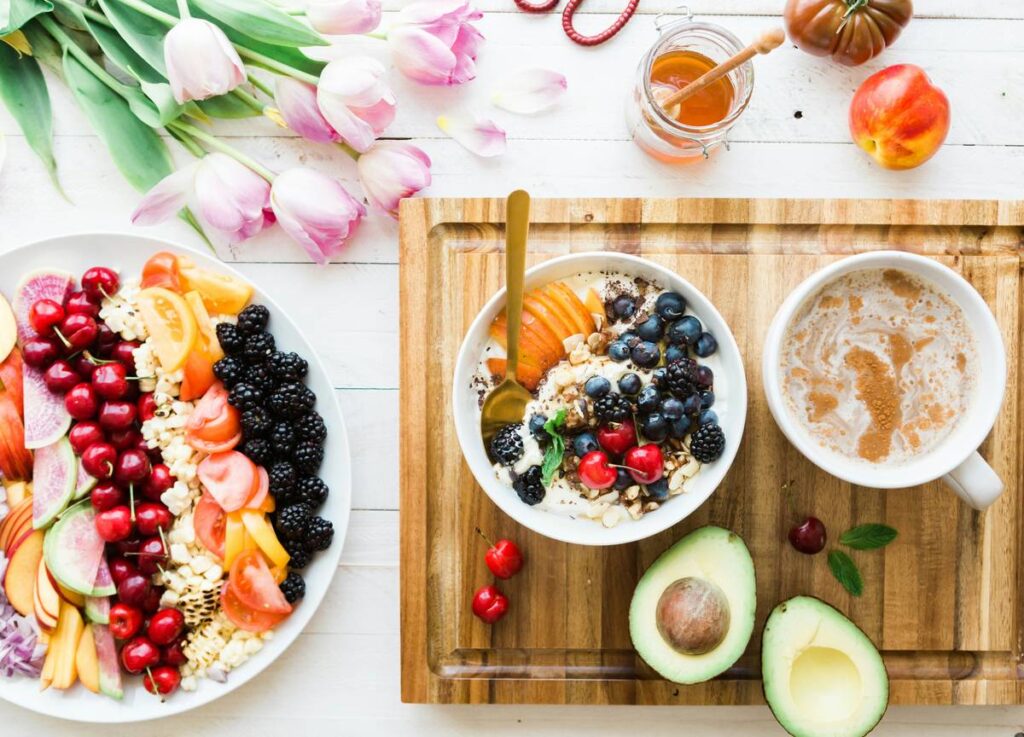
One of our readers, Maya from Portland, followed our basic framework: oatmeal with berries and flaxseed for breakfast, lentil soup with kimchi for lunch, grilled salmon with roasted veggies for dinner, plus plenty of water. After six weeks, her chronic bloating vanished. She wrote us via our contact page—proof that simple, consistent changes work.
Remember: what is a gut healthy diet isn’t one-size-fits-all. But the principles—diversity, fermentation, minimal processing—are universal.
Frequently Asked Questions
Can a gut healthy diet help with weight loss?
Indirectly, yes. A balanced microbiome improves metabolism and reduces inflammation, which can support sustainable weight management—but it’s not a quick-fix diet.
Are bananas good for gut health?
Absolutely! Especially slightly green bananas, which contain resistant starch—a powerful prebiotic that feeds beneficial bacteria.
How quickly will I see results from a gut healthy diet?
Many notice reduced bloating within 1–2 weeks. Full microbial shifts can take 2–3 months of consistent eating.
Do I need probiotic supplements?
Not necessarily. Most people benefit more from whole-food sources. Consult a healthcare provider before starting supplements—especially if you have immune concerns.
Is gluten bad for gut health?
Only if you have celiac disease or non-celiac gluten sensitivity. For others, whole grains like oats and barley actually support gut diversity.
Have more questions? We’re happy to help—just reach out. And don’t forget to review our Privacy Policy if you share personal health details.
In the end, gut health isn’t about perfection—it’s about showing up daily with kindness to your inner ecosystem. Feed it well, and it’ll return the favor.
Fiber today, vitality tomorrow.