Ever spent hours meal prepping only to end up bloated, gassy, or running to the bathroom? You’re not alone. Millions struggle with gut discomfort despite “eating clean.” The real issue? Most healthy eating guides skip the digestive piece. This isn’t just about kale salads—it’s about what your gut actually tolerates. In this guide, you’ll learn exactly digestive health healthy eating what to prioritize (and what to ditch) based on science, personal trial-and-error, and expert-backed strategies that work in real life—not just theory.
Table of Contents
- Why Digestive Health Is the Missing Link in Healthy Eating
- Your Step-by-Step Guide to Gut-Friendly Nutrition
- 7 Best Practices for Long-Term Digestive Wellness
- Real Results: How One Client Transformed Her Gut Health
- Frequently Asked Questions
Key Takeaways
- Eating “healthy” ≠ digesting well—individual tolerance matters more than trends.
- Fiber timing, food combining, and mindful eating dramatically impact digestion.
- Processed “health foods” often sabotage gut function despite clean labels.
- Consistency beats perfection—small daily habits yield lasting results.
Why Digestive Health Is the Missing Link in Healthy Eating
I once obsessed over organic smoothie bowls, thinking I was doing my body a favor. Spoiler: I wasn’t. Within weeks, chronic bloating turned into painful cramps. My mistake? Assuming “natural” meant “easy to digest.” Turns out, even healthy foods like raw cruciferous veggies or high-FODMAP fruits can trigger issues if your gut isn’t ready.
According to the National Institute of Diabetes and Digestive and Kidney Diseases (NIDDK), 60–70 million Americans suffer from digestive diseases. Yet most healthy eating guides ignore this reality. True wellness starts when nutrients are actually absorbed—not just consumed.
Your Step-by-Step Guide to Gut-Friendly Nutrition
1. Start With Cooked Veggies, Not Raw
Raw fiber is tough on sensitive guts. Steam, roast, or sauté vegetables first—this breaks down cellulose, making them gentler to digest.
2. Time Your Fiber Intake
Don’t load all your fiber at breakfast. Spread it across meals to avoid overwhelming your system. Aim for 5–8g per meal instead of 25g in one go.
3. Chew Like Your Gut Depends on It (It Does)
Saliva contains amylase—the first enzyme that starts carb digestion. Chewing 20–30 times per bite signals your stomach to prep acid and enzymes. Skip this, and undigested food ferments in your colon = gas city.
4. Add Fermented Foods Gradually
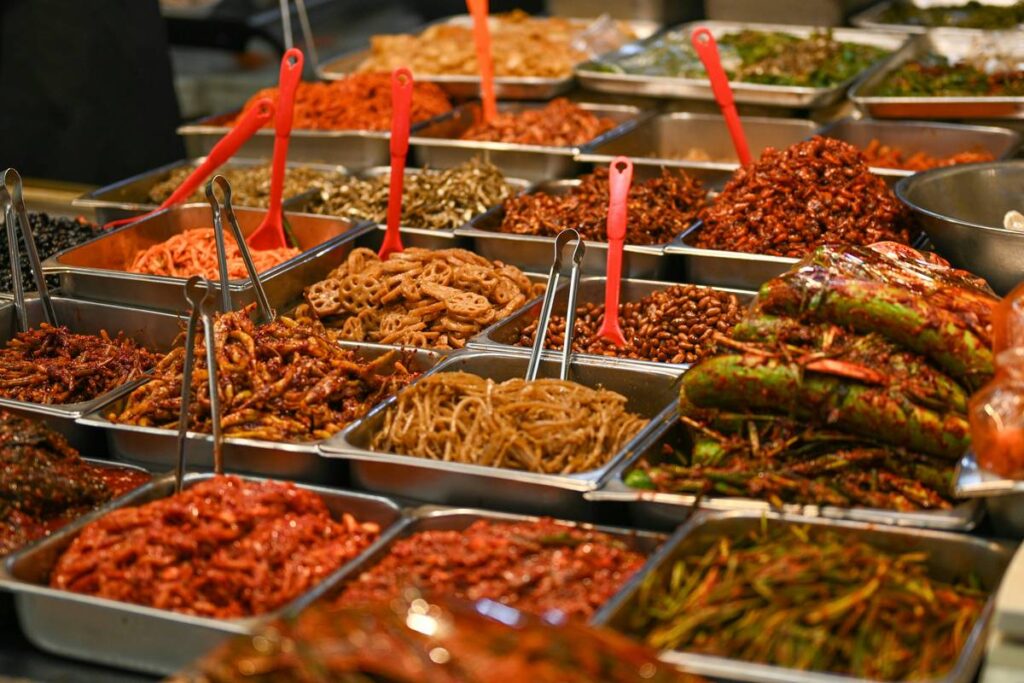
Kefir, sauerkraut, and kimchi boost beneficial bacteria—but introduce them slowly. Start with 1 tsp daily, increasing over 2 weeks. Too soon = bloating backlash.
7 Best Practices for Long-Term Digestive Wellness
- Avoid “healthy” processed traps: Protein bars labeled “clean” often contain sugar alcohols (like xylitol) that cause diarrhea. Read beyond the buzzwords.
- Hydrate smartly: Drink water 30 minutes before or after meals—not during—to avoid diluting stomach acid.
- Pair fats with fiber: Olive oil + steamed broccoli enhances fat-soluble vitamin absorption while easing fiber transit.
- Don’t eat stressed: Cortisol shuts down digestion. Take three deep breaths before your first bite.
- Track patterns, not just calories: Use a journal for 7 days noting meals and symptoms. Patterns reveal personal triggers (e.g., apples = bloating).
- Skip the “detox” nonsense: Your liver already detoxes 24/7. Juice cleanses starve your gut of fiber and protein it needs to heal.
- Prioritize sleep: Poor sleep alters gut microbiota within 48 hours, per NIH research.
Real Results: How One Client Transformed Her Gut Health
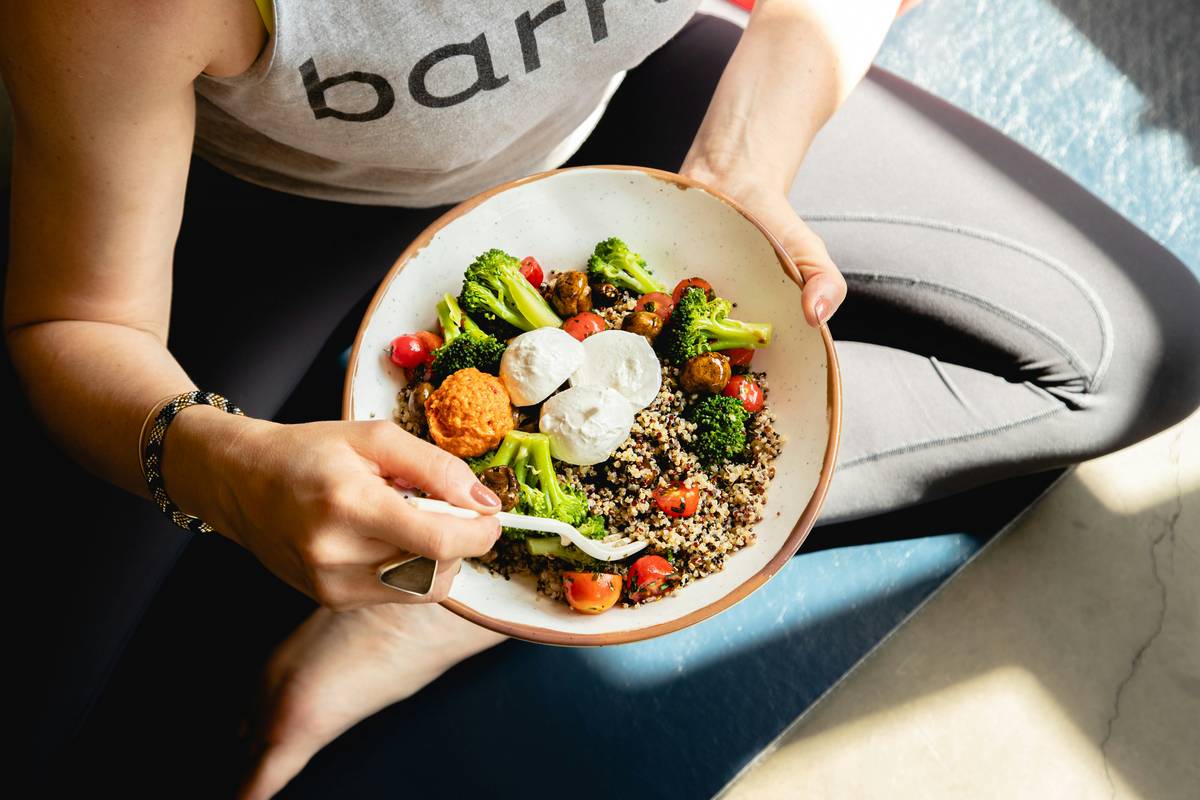
Sarah, 34, followed every trendy diet—keto, juice cleanses, intermittent fasting—but battled constipation and fatigue. After switching to our digestive health healthy eating what to framework, she made three changes: (1) swapped raw salads for roasted veggie bowls, (2) added 2 tbsp ground flaxseed to oatmeal (not smoothies), and (3) stopped eating dinner while scrolling Instagram. Within 3 weeks, her bloating dropped by 80%, and her energy stabilized. No magic pills—just strategic, sustainable tweaks aligned with her biology.
This approach reflects principles from evidence-based resources like those provided by the Academy of Nutrition and Dietetics—and aligns with our mission at GWSMS to deliver practical, science-rooted wellness guidance.
Frequently Asked Questions
What should I eat first thing in the morning for better digestion?
Warm lemon water followed by a small, easily digestible meal like oatmeal with cooked berries or scrambled eggs with spinach. Avoid high-fiber smoothies on an empty stomach if you’re prone to bloating.
Are probiotics necessary for digestive health?
Not always. Many get enough from fermented foods. However, specific strains (like Lactobacillus rhamnosus GG) can help with diarrhea or antibiotic recovery—consult a provider. Learn more via our contact page for personalized advice.
Can healthy eating worsen IBS symptoms?
Yes—if it includes high-FODMAP foods (onions, garlic, apples). A low-FODMAP elimination phase, guided by a dietitian, often helps identify triggers without long-term restriction.
How quickly can diet improve digestive health?
Some notice changes in 3–5 days (less bloating), but full gut lining repair takes 3–6 months of consistent habits. Patience is non-negotiable.
Is gluten bad for everyone’s digestion?
No. Only those with celiac disease or non-celiac gluten sensitivity need to avoid it. For others, whole grains support microbiome diversity. Never eliminate entire food groups without testing—see our privacy policy if sharing health data with professionals.
What’s the worst “healthy” food for digestion?
Store-bought green juices loaded with oxalates and fructose. They lack fiber to slow sugar absorption and often contain ingredients that irritate sensitive guts—aka terrible tip territory!
Remember: digestive health healthy eating what to focus on isn’t about rigid rules—it’s about listening to your body’s whispers before they become screams. Ready to personalize your plan? Reach out to our team for a gut-health consultation that respects your unique biology. After all, the best diet is the one your gut actually thanks you for.