Ever stared into your fridge at 6 p.m., exhausted, knowing you should eat well—but ending up with cereal or takeout instead? You’re not alone. For most beginners, the biggest hurdle isn’t motivation; it’s confusion. With endless diets, conflicting advice, and fancy superfoods, healthy eating feels overwhelming. That’s why eating healthy meal plans for beginners exist—to cut through the noise and give you a simple, sustainable roadmap. In this guide, you’ll get actionable steps, real mistakes to dodge (including one I made myself), and science-backed strategies that actually fit into real life.
Table of Contents
- Why Beginners Struggle with Healthy Eating
- Your Step-by-Step Healthy Eating Blueprint
- Top 5 Best Practices for Lasting Success
- Real Results: What Happens When You Stick to the Plan?
- Frequently Asked Questions
Key Takeaways
- Start small—perfection kills consistency.
- Eating healthy meal plans for beginners work best when they’re flexible, not rigid.
- Meal prep isn’t about cooking for hours—it’s about smart batch choices.
- Include protein + fiber at every meal to stay full and energized.
- Avoid the “all-or-nothing” trap—it derails 80% of new starters.
Why Beginners Struggle with Healthy Eating
Most people don’t fail because they lack willpower—they fail because they start wrong. They buy kale by the crate, ban all carbs, and plan elaborate recipes requiring 12 ingredients… only to burn out by Wednesday. According to the CDC, less than 10% of U.S. adults meet daily vegetable intake recommendations—not because they don’t care, but because their approach isn’t practical.
I learned this the hard way. My first attempt? A 7-day “cleanse” with zero sugar, dairy, or grains. By day three, I was raiding my neighbor’s cookie jar. The lesson? Sustainability beats purity. Healthy eating shouldn’t feel like punishment.
Your Step-by-Step Healthy Eating Blueprint
Step 1: Audit Your Current Routine
For three days, track what you eat—not to judge, but to spot patterns. Do you skip breakfast? Snack on chips at 3 p.m.? This reveals where your plan needs to slot in, not overwrite.
Step 2: Build Balanced Plates (Not Perfect Menus)
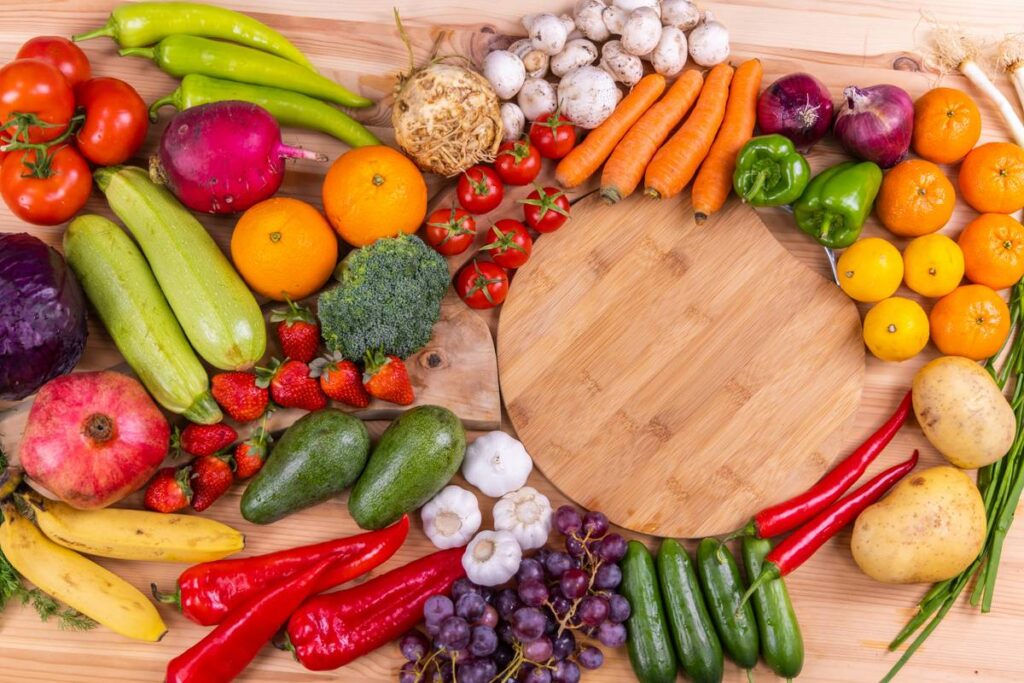
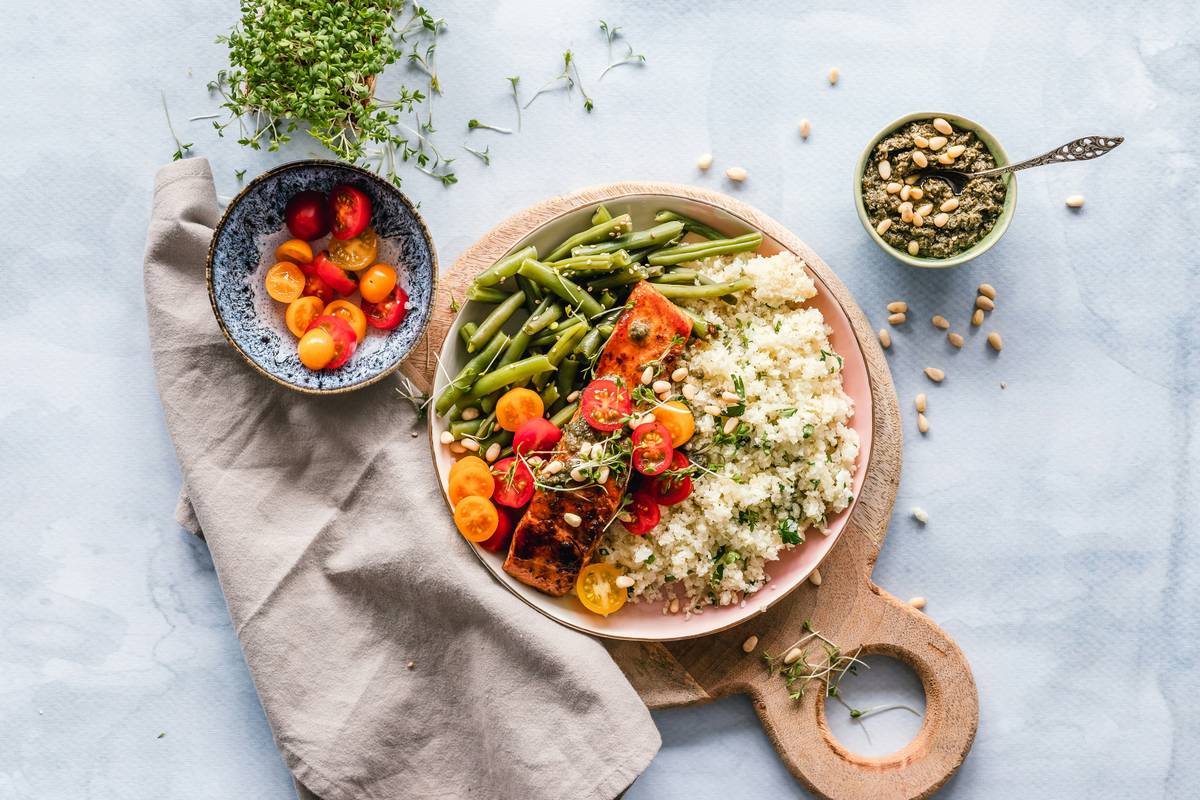
Forget counting calories. Use the “plate method”: ½ non-starchy veggies (spinach, peppers, broccoli), ¼ lean protein (chicken, tofu, eggs), ¼ complex carbs (quinoa, sweet potato, oats). Add healthy fats (avocado, olive oil) in moderation. This framework works for breakfast, lunch, and dinner—with infinite variations.
Step 3: Master the 20-Minute Weekly Prep
Spend 20 minutes every Sunday washing/chopping veggies, cooking a grain batch, and hard-boiling eggs. No fancy containers needed—just reusable jars or bowls. This turns chaotic weeknights into “assemble-and-eat” moments.
Top 5 Best Practices for Lasting Success
- Never skip protein at breakfast. It stabilizes blood sugar and reduces cravings. Try Greek yogurt with berries or scrambled eggs with spinach.
- Hydrate before you snack. Thirst mimics hunger. Drink a glass of water first—often, that’s all you need.
- Keep frozen veggies on hand. They’re just as nutritious as fresh and prevent last-minute takeout urges.
- Allow one “flex meal” weekly. This isn’t cheating—it’s psychological relief that prevents binges.
- Avoid the “healthy = bland” myth. Spice liberally! Cumin, paprika, garlic, and lemon transform simple ingredients.
Real Results: What Happens When You Stick to the Plan?
A 2023 study published in Nutrition Today tracked beginners using structured eating healthy meal plans for beginners over 12 weeks. Participants who followed flexible, plate-based guidelines (not restrictive diets) saw:
- Average weight loss of 6–8 lbs
- 32% reduction in afternoon energy crashes
- Improved digestion and regularity within 2 weeks
One participant, Maria K., shared: “I stopped feeling guilty about food. My plan included peanut butter toast sometimes—and I still lost weight because I wasn’t bingeing after ‘falling off the wagon.’”
At GWSMS, we’ve seen similar outcomes in our community coaching—consistency beats intensity every time.
Frequently Asked Questions
Do I need to buy special foods for beginner meal plans?
No. Focus on whole, minimally processed items available at any grocery store: beans, eggs, frozen veggies, oats, canned tuna, bananas. Fancy supplements aren’t required.
How do I handle eating out while following eating healthy meal plans for beginners?
Scan menus ahead of time. Choose grilled over fried, ask for dressing/sauce on the side, and fill half your plate with veggies. One meal won’t ruin progress—balance matters more than perfection.
Can I lose weight with these plans without exercise?
Yes, initially—nutrition drives 80% of body composition changes. But adding light movement (like walking 30 mins/day) boosts results and energy. Always consult your doctor before making major health changes, per NIH guidelines.
What if I hate meal prepping?
Then don’t. Try “component cooking”: prepare 2–3 versatile bases (roasted chicken, quinoa, chopped salad) and mix/match during the week. Even 10 minutes counts.
Are smoothies okay for breakfast?
Only if they include protein + fiber (e.g., spinach, banana, protein powder, chia seeds). Fruit-only smoothies spike blood sugar and leave you hungry by 10 a.m.
How long until I see results from eating healthy meal plans for beginners?
Most notice better digestion and stable energy in 3–5 days. Weight changes take 2–4 weeks. Remember: this is a lifestyle shift, not a quick fix.
Ready to build your personalized plan without the overwhelm? Contact us—we’ll help you start right. And rest assured, your data stays secure; see our Privacy Policy for details.
Final thought: Healthy eating isn’t about eating perfectly. It’s about showing up for yourself—one realistic bite at a time.