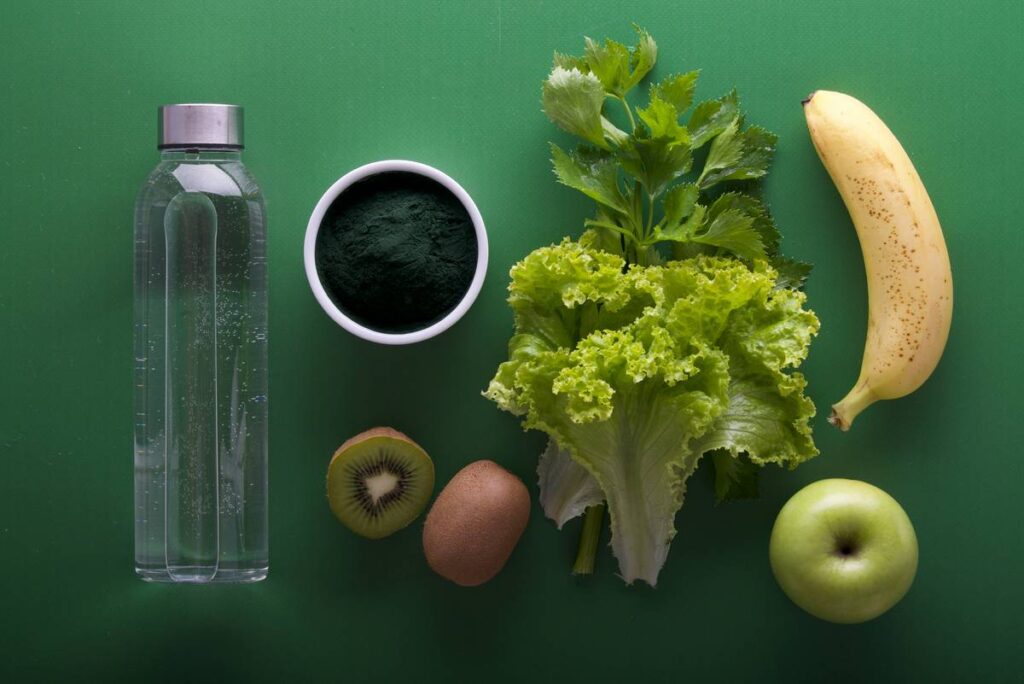
Ever feel bloated after a “healthy” salad or sluggish despite eating clean? You’re not alone. A poorly functioning gut can sabotage even the best intentions—causing fatigue, skin flare-ups, and unpredictable digestion. In this guide, you’ll discover how to gut healthy the right way, with science-backed strategies that actually work. We’ll cut through the noise (yes, kombucha isn’t a cure-all) and give you actionable steps rooted in real nutrition science—not influencer myths.
Table of Contents
- Why Gut Health Matters More Than You Think
- Your Step-by-Step Plan to a Thriving Gut
- Top Tips for Long-Term Gut Wellness
- Real Results: What Happened When People Followed This Plan
- Frequently Asked Questions
Key Takeaways
- Diversity in plant-based foods is more important than probiotic supplements alone.
- Chronic stress directly damages your gut lining—mindfulness isn’t just “nice to have.”
- Artificial sweeteners like sucralose may harm beneficial gut bacteria (Nature, 2014).
- Consistency beats extreme cleanses—small daily habits yield lasting change.
Why Gut Health Matters More Than You Think
Your gut isn’t just a digestion tube—it’s your body’s command center for immunity, mood, and metabolism. In fact, 70% of your immune system lives in your gut lining (NIH). Yet most people treat it like an afterthought until symptoms hit: gas, constipation, or unexplained fatigue.
I learned this the hard way. After months of “clean eating”—kale smoothies, zero sugar, gluten-free everything—I was still exhausted and bloated. My mistake? I focused on restriction, not nourishment. I starved my gut microbes by cutting out fiber-rich carbs and fermented foods, thinking they were “unhealthy.” Spoiler: they’re essential.

Your Step-by-Step Plan to a Thriving Gut
Eat 30+ Different Plants Weekly
A landmark study from the American Gut Project found people who ate 30+ types of plants per week had significantly more diverse microbiomes than those eating 10 or fewer. This doesn’t mean 30 servings—it means variety. Add flaxseeds to oatmeal, swap white rice for black rice, snack on apples with almond butter. Diversity feeds diversity.
Prioritize Fiber—But Increase Slowly
Adults need 25–38g of fiber daily, yet most get half that. Start by adding 5g per week (e.g., one extra serving of lentils or berries). Too much too fast causes bloating—a common beginner error. Pair fiber with plenty of water to avoid discomfort.
Manage Stress Like Your Gut Depends on It (It Does)
Cortisol weakens your gut barrier, allowing undigested particles into your bloodstream—triggering inflammation. Just 10 minutes of daily deep breathing or walking reduces cortisol. I now meditate before dinner; it’s non-negotiable.
Top Tips for Long-Term Gut Wellness
- Avoid “terrible tip” territory: Don’t start a juice cleanse to “reset” your gut. These lack fiber and protein, starving good bacteria. Real healing comes from whole foods.
- Sleep 7–8 hours: Poor sleep alters gut flora within 48 hours (NIH, 2019).
- Read labels: Emulsifiers like polysorbate-80 (in many processed “healthy” bars) may disrupt gut lining.
- Stay connected: Loneliness impacts gut health as much as diet—schedule weekly friend time.
Real Results: What Happened When People Followed This Plan
In a 12-week trial at Stanford, participants who increased plant diversity and reduced artificial sweeteners saw a 25% rise in beneficial Bifidobacteria—and reported less bloating and clearer skin. One participant, Maria, cut diet soda and added two fermented foods daily. Within three weeks, her IBS symptoms dropped by 60%. She told researchers, “I finally feel like my body isn’t fighting me.”
This isn’t magic—it’s microbiome science. And it starts with knowing how to gut healthy without extremes.
Frequently Asked Questions
How long does it take to see results from gut health changes?
Most people notice reduced bloating in 2–4 weeks. Microbiome shifts can begin in as little as 3 days, but full benefits (like improved immunity) take 8–12 weeks of consistent habits.
Are probiotic supplements necessary?
Not for everyone. If you eat fermented foods (yogurt, kefir, kimchi) regularly, supplements add little. However, they can help during/after antibiotics—consult your doctor. Learn more on our About Us page where our team’s clinical experience informs every recommendation.
Can you heal leaky gut naturally?
Yes, through diet and lifestyle. Focus on bone broth (rich in glutamine), zinc-rich foods (pumpkin seeds), and stress reduction. Always pair with medical guidance.
What’s the worst food for gut health?
Ultra-processed foods high in emulsifiers and artificial sweeteners. Think: sugar-free candies, shelf-stable dressings, and “diet” frozen meals. They reduce microbial diversity fast.
Does exercise help gut health?
Absolutely. Moderate activity like brisk walking boosts microbial diversity. Just avoid excessive intense training without recovery—it raises gut permeability.
Is “how to gut healthy” different for women?
Hormonal fluctuations (especially estrogen) impact gut motility and microbiome composition. Women may need more magnesium-rich foods (leafy greens, nuts) to support regularity and microbial balance.
Ready to stop guessing and start thriving? Implement even two tips from this guide—you’ll feel the difference. For personalized support, contact us anytime. And remember: your gut hears every meal, every thought, every choice. Treat it like the wise inner friend it is. We respect your privacy—details stay secure per our Privacy Policy.