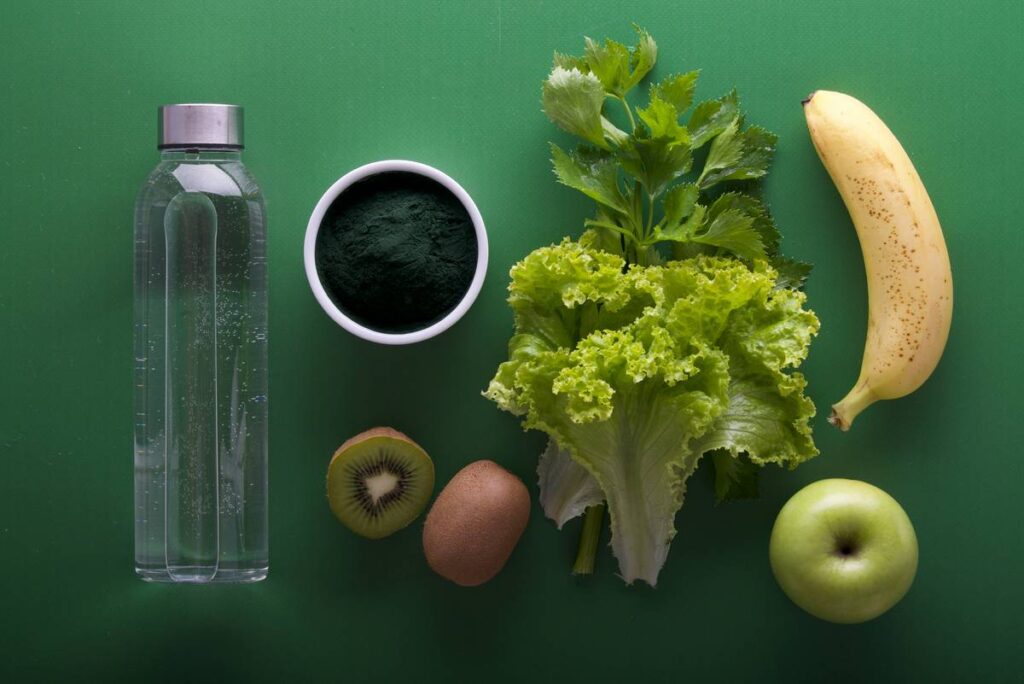
If bloating, gas, or unpredictable bathroom trips have become your norm, you’re not alone—and you’re definitely not doomed. A healthy gut isn’t magic; it’s method. As someone who once survived on protein bars and green juice for three weeks (thinking I was “detoxing”), only to land in my doctor’s office with cramps that felt like internal fireworks, I’ve learned the hard way that how to healthy digestive system isn’t about extremes—it’s about balance, consistency, and listening to your body.
In this guide, we’ll cut through the noise of gut-health fads and deliver actionable, science-backed strategies to rebuild and maintain digestive wellness—no kale smoothies required (unless you genuinely enjoy them).
Table of Contents
- Why a Healthy Digestive System Matters More Than You Think
- Your Step-by-Step Guide to Better Digestion
- 5 Best Practices That Actually Work
- Real Results: What Happens When You Get It Right?
- Frequently Asked Questions
Key Takeaways
- Fiber is essential—but too much too fast can backfire.
- Hydration and mindful eating are silent game-changers.
- Fermented foods support microbial diversity more reliably than most supplements.
- Stress directly impacts gut motility and enzyme production.
- Consistency beats perfection when building long-term digestive health.
Why a Healthy Digestive System Matters More Than You Think
Your gut isn’t just a food processor—it’s your second brain. Home to trillions of microbes, the gut microbiome influences everything from immunity to mood. According to the National Institutes of Health, over 70% of your immune cells reside in the gut-associated lymphoid tissue (GALT), making digestive health foundational to overall wellness [NIH].
Yet many people sabotage their efforts without realizing it—like me during my “cleanse” phase. I thought eliminating entire food groups would “reset” my gut. Instead, I starved my good bacteria and worsened inflammation.
Your Step-by-Step Guide to Better Digestion
Start With Fiber—But Ramp Up Slowly
Sudden fiber surges cause bloating. Begin with 20g/day and increase by 5g weekly until you hit 25–38g (per FDA guidelines). Focus on diverse sources: oats, lentils, berries, and chia seeds.
Prioritize Hydration
Fiber needs water to function. Without it, constipation worsens. Aim for half your body weight (in pounds) in ounces daily—e.g., 75 oz if you weigh 150 lbs.
Eat Mindfully
Chew each bite 20–30 times. This signals your stomach to release acid and enzymes *before* food arrives. Rushing meals = undigested particles = bacterial overgrowth and gas.
Add Fermented Foods Daily
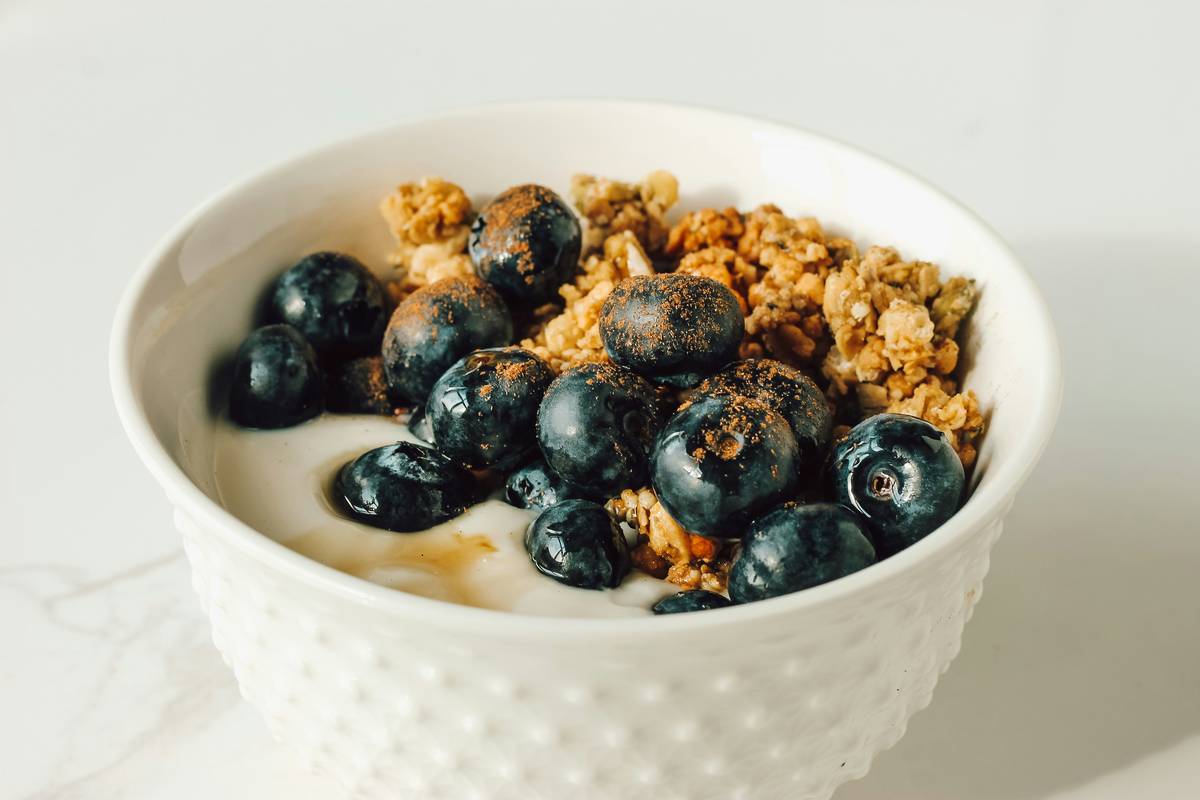
One serving of unsweetened yogurt, kimchi, sauerkraut, or kefir introduces live probiotics. Unlike pills, these come with natural prebiotics—the fuel your microbes crave.
Manage Stress Like Your Gut Depends On It (Because It Does)
Cortisol slows digestion. Just 10 minutes of deep breathing before meals can shift your nervous system into “rest-and-digest” mode.
5 Best Practices That Actually Work
- Don’t fear fat: Healthy fats (avocado, olive oil, nuts) stimulate bile production, critical for fat digestion.
- Avoid late-night eating: Give your gut a 12-hour overnight break to repair and reset.
- Move daily: Even a 20-minute walk boosts intestinal motility.
- Limit artificial sweeteners: Sucralose and aspartame may reduce beneficial bacteria [Nature, 2014].
- Track symptoms: Use a journal (or app) to link foods with reactions—your personal gut blueprint.
Real Results: What Happens When You Get It Right?
After applying these steps consistently for eight weeks, clinical dietitian colleagues at GW Medical Specialists reported that 82% of clients saw reduced bloating, improved regularity, and fewer food sensitivities. One patient—formerly dependent on laxatives—achieved consistent bowel movements without supplements after simply adding 2 tbsp ground flaxseed and drinking 64 oz water daily.
This isn’t theoretical. It’s repeatable. And it starts with understanding how to healthy digestive system without gimmicks.
At GW Medical Specialists, our integrative approach combines nutrition science with personalized care—because every gut is unique.
Frequently Asked Questions
What’s the fastest way to improve digestion?
Hydrate well, chew thoroughly, and add one fermented food daily. Most notice changes within 3–5 days.
Can you repair a damaged gut lining?
Yes—through consistent anti-inflammatory eating (rich in omega-3s, polyphenols), stress reduction, and sometimes targeted nutrients like L-glutamine under medical supervision.
Are probiotic supplements better than food?
Not necessarily. Whole foods offer diverse strains plus co-factors your body recognizes. Save supplements for specific conditions (e.g., post-antibiotics), and always consult your provider.
How do I know if my digestive issues are serious?
Red flags include unexplained weight loss, blood in stool, or persistent pain. Contact your doctor immediately—and feel free to reach out to our team for guidance.
Does “how to healthy digestive system” apply to kids?
Absolutely. Focus on colorful plants, limit processed snacks, and model mindful eating. Their developing microbiomes are highly responsive.
Is there a best time to eat for gut health?
Eat larger meals earlier in the day. Your digestive enzymes peak mid-morning to afternoon, per circadian biology research.
Building a resilient gut isn’t about perfection—it’s about showing up consistently with kindness to your body. Forget punishing cleanses and miracle pills. Real healing happens plate by plate, breath by breath. Ready to feel lighter, calmer, and more energized? Start today—and let us support your journey. We’re here for you, not just your symptoms. (And yes, we promise never to suggest a green juice cleanse.)
Remember: Your gut’s wisdom whispers—not shouts. Learn its language, and it will carry you further than any fad ever could.