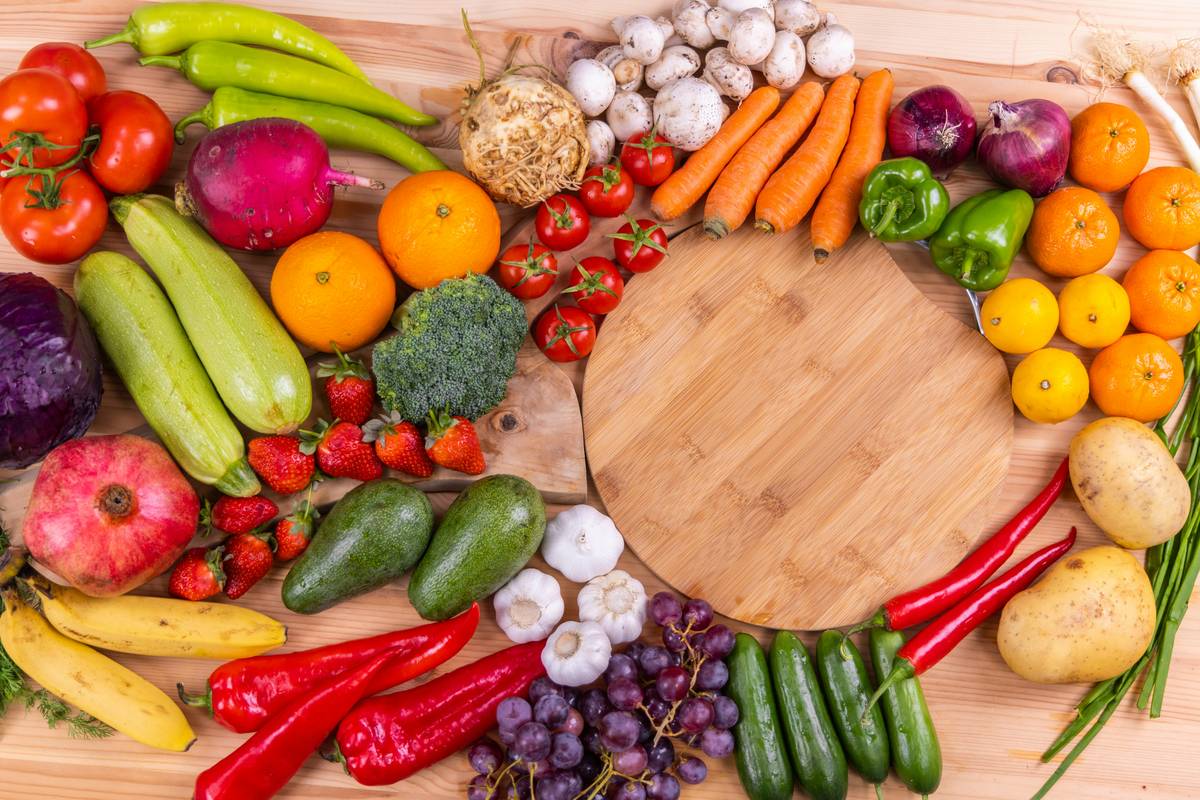
Ever spent Sunday prepping a week’s worth of meals—only to ditch it all by Wednesday because you’re bored, hungry, or craving something that doesn’t taste like cardboard? You’re not alone. As someone who once survived on “healthy” zucchini noodles drenched in lemon water (yes, really), I’ve learned the hard way that an eating well meal plan isn’t just about kale and quinoa—it’s about sustainability, flavor, and your actual life.
This guide cuts through the noise of fad diets and overly restrictive templates. We’ll walk through a realistic, flexible approach grounded in gut health science and real-world experience—so you can eat well without losing your mind (or your motivation).
Table of Contents
- Why Most Eating Well Meal Plans Fail
- Your Step-by-Step Eating Well Meal Plan Framework
- 5 Best Practices for Long-Term Success
- Real Results: How One Client Transformed Her Gut Health
- Frequently Asked Questions
Key Takeaways
- A sustainable eating well meal plan balances nutrition, taste, and practicality.
- Meal planning fails when it ignores fiber diversity, prep time, and personal cravings.
- Including 30+ different plant foods weekly supports gut microbiome health (per American Gut Project).
- Flexibility—not perfection—is the secret to sticking with healthy eating long-term.
Why Most Eating Well Meal Plans Fail
Let’s be honest: many meal plans treat food like a math equation—calories in, calories out—and ignore the human behind the plate. But your gut doesn’t just care about numbers; it thrives on diversity. Research from the American Gut Project shows that people who eat over 30 different plant types per week have significantly more diverse gut microbiomes than those eating 10 or fewer. Yet most rigid meal plans rotate the same five “clean” ingredients endlessly.
I once followed a popular influencer’s 7-day detox that banned onions, garlic, and legumes—key prebiotic foods! Within days, I was bloated, irritable, and constipated. My mistake? Prioritizing trend over biological reality. A true eating well meal plan fuels your microbes, not just your Instagram feed.
Your Step-by-Step Eating Well Meal Plan Framework
1. Audit Your Week First
Before writing a single recipe, assess your schedule. Do you have three late-night workdays? Two early-morning workouts? Build meals around your energy peaks and time constraints—not Pinterest-perfect ideals.
2. Anchor with 3 Base Meals
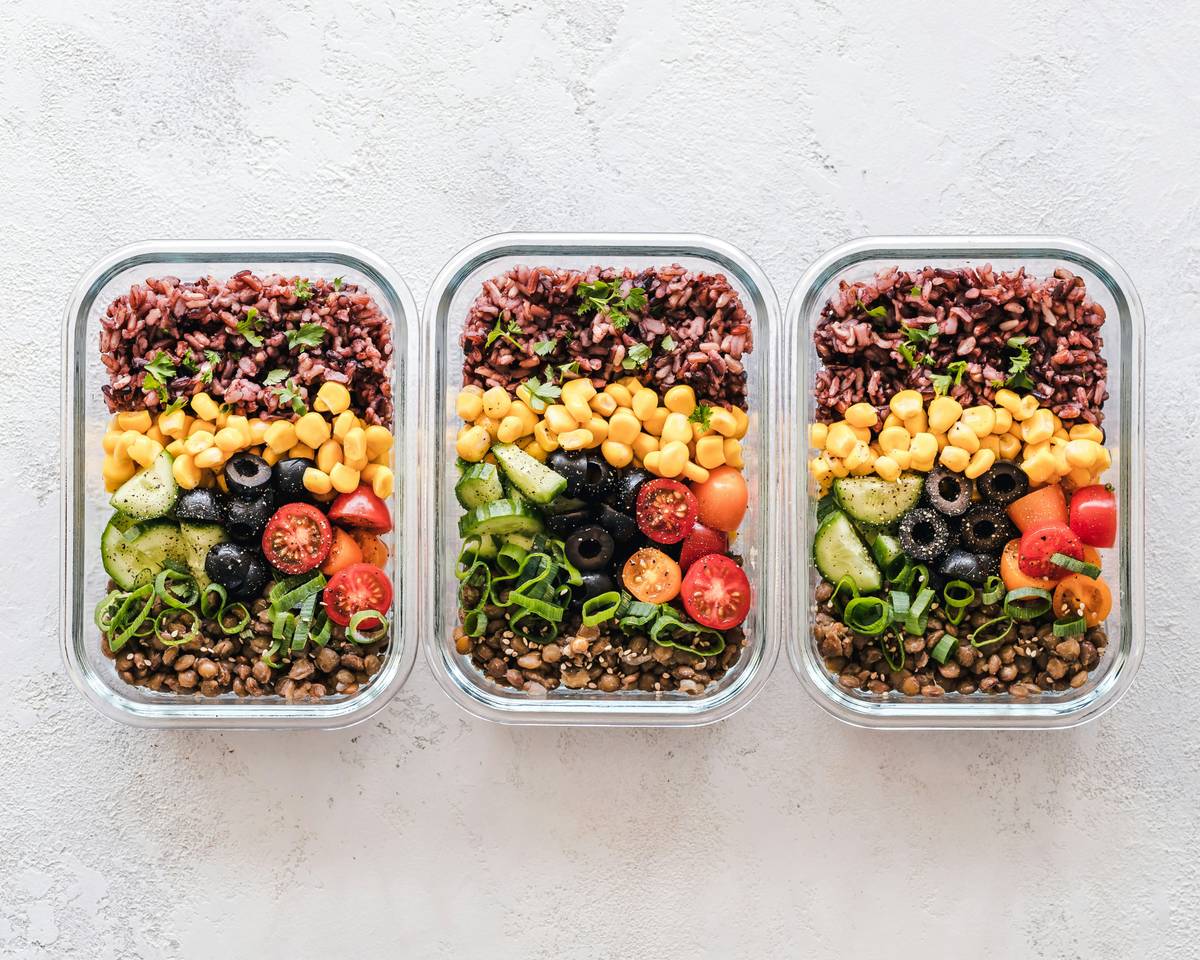
Pick one grain (brown rice, quinoa), one protein (tofu, lentils, chicken), and one veggie mix (roasted sweet potatoes + broccoli). These become your “cores.” Rotate sauces and spices to avoid boredom—e.g., swap tahini dressing for lime-cumin vinaigrette.
3. Batch-Prep Smart Components
Cook grains and roast veggies in bulk, but leave proteins fresh if possible. Pre-chopped raw veggies and washed greens stay crisp longer than pre-assembled salads.
4. Include One “Freedom Meal”
Designate one dinner weekly for takeout, leftovers, or spontaneity. This prevents the all-or-nothing collapse that sabotages so many plans.
5 Best Practices for Long-Term Success
- Prioritize fiber variety: Aim for 25–38g daily from diverse sources—beans, berries, oats, flaxseeds—not just supplements.
- Hydrate strategically: Drink water 30 minutes before meals to aid digestion, not during (which can dilute stomach acid).
- Use frozen produce: It’s flash-frozen at peak ripeness and often richer in nutrients than wilted “fresh” supermarket options.
- Never skip fermented foods: Add a spoonful of sauerkraut or kimchi daily—they deliver live probiotics crucial for gut balance.
- Track how you feel, not just weight: Note energy, bloating, and mood changes in a journal for two weeks to spot patterns.
Real Results: How One Client Transformed Her Gut Health
Sarah, a 38-year-old teacher, came to us after years of IBS misdiagnoses. She’d tried elimination diets, keto, and juice cleanses—all failed. We co-created an eating well meal plan centered on fiber diversity, consistent meal timing, and stress-aware eating (no lunch-at-desk scrolling!).
Within four weeks, her bloating dropped by 70%, and she reported better sleep and focus. Crucially, she never counted calories—just made sure each meal included protein + fiber + healthy fat. Six months later, she’s still cooking 90% of her meals and says, “I finally enjoy eating again.” For more on our philosophy, see our About Us page.
Frequently Asked Questions
How do I start an eating well meal plan on a budget?
Focus on dry beans, seasonal produce, and whole grains like oats or barley. Buy frozen fruit for smoothies and bulk nuts/seeds. Planning reduces waste—which saves money long-term.
Can I follow an eating well meal plan if I’m vegetarian?
Absolutely. Prioritize plant proteins like lentils, chickpeas, tempeh, and edamame. Pair them with vitamin C-rich foods (bell peppers, citrus) to boost iron absorption.
How often should I change my eating well meal plan?
Refresh it every 2–3 weeks to match seasonal produce and prevent burnout. Keep core principles (fiber, variety) but rotate recipes.
What’s the worst tip you’ve heard about meal planning?
“Just eat less.” Terrible advice! Undereating stresses your body, slows metabolism, and harms gut bacteria. Nourishment—not restriction—is key.
Do I need special kitchen tools?
No. A sharp knife, sheet pan, and pot are enough. Fancy gadgets rarely improve outcomes—consistency does.
Is this plan safe for diabetics?
Our framework emphasizes low-glycemic, high-fiber meals beneficial for blood sugar control. However, always consult your doctor before making dietary changes—especially if managing a condition. Review our Privacy Policy if sharing health data with us.
Conclusion
An effective eating well meal plan isn’t about flawless execution—it’s about building habits that nourish your body and fit your life. Ditch the guilt, embrace flexibility, and remember: your gut loves variety more than virtue. Ready to build your personalized plan? Contact us—we’ll help you cook with confidence, not confusion.
After all, eating well shouldn’t feel like homework. It should feel like coming home.