You’re bloated by lunch. Your energy crashes by 3 p.m. You’ve tried every “gut-friendly” trend — kombucha, collagen, probiotic gummies — yet your digestion still feels like a clogged sink. Why? Because most advice treats symptoms, not root causes. Here’s the fix: align your plate with your gut’s actual biology — not Instagram aesthetics.
Why Generic Gut Advice Fails Miserably
“Eat more fiber” sounds smart—until it makes you gassy and uncomfortable. “Cut dairy” helps some—but cripples calcium intake for others. The problem? One-size-fits-all protocols ignore individual gut microbiomes. And gut bacteria vary wildly from person to person—like fingerprints.
Worse, many “healthy” foods sabotage digestion without warning. Raw kale? Loaded with goitrogens that slow thyroid function in sensitive individuals. Store-bought smoothies? Often spiked with hidden sugars that feed bad bacteria. You’re following the rules—and still suffering.
digestive health healthy eating what should: A Precision Framework
Forget blanket rules. Build a personalized eating pattern that honors your digestive reality. Start here:
Map Your Meal Timing
Your gut needs rhythm. Irregular eating confuses digestive enzyme release. Aim for consistent meal windows—same breakfast time, same dinner cutoff. Even weekends. Your gut runs on circadian cues—not convenience.
Select Fiber Intelligently
Not all fiber is equal. Soluble fiber (oats, chia, cooked carrots) soothes inflammation. Insoluble fiber (raw broccoli, wheat bran) moves things along—but can irritate if overdone. Match type to symptom: bloating? Lean soluble. Constipation? Add insoluble gradually.
Prioritize Fermented Real Food—Not Supplements
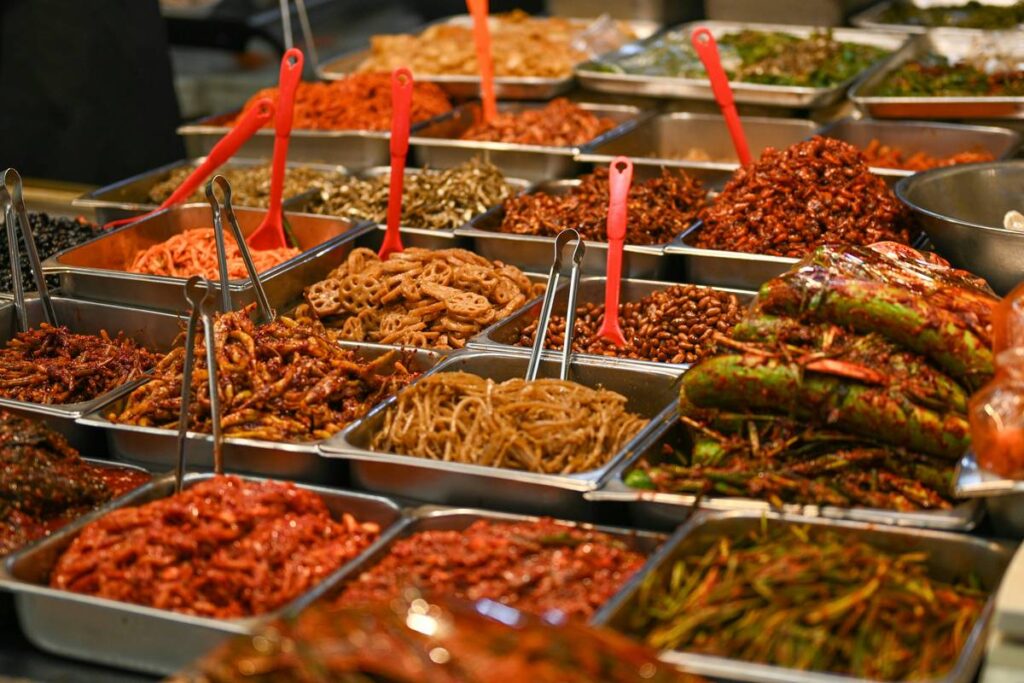
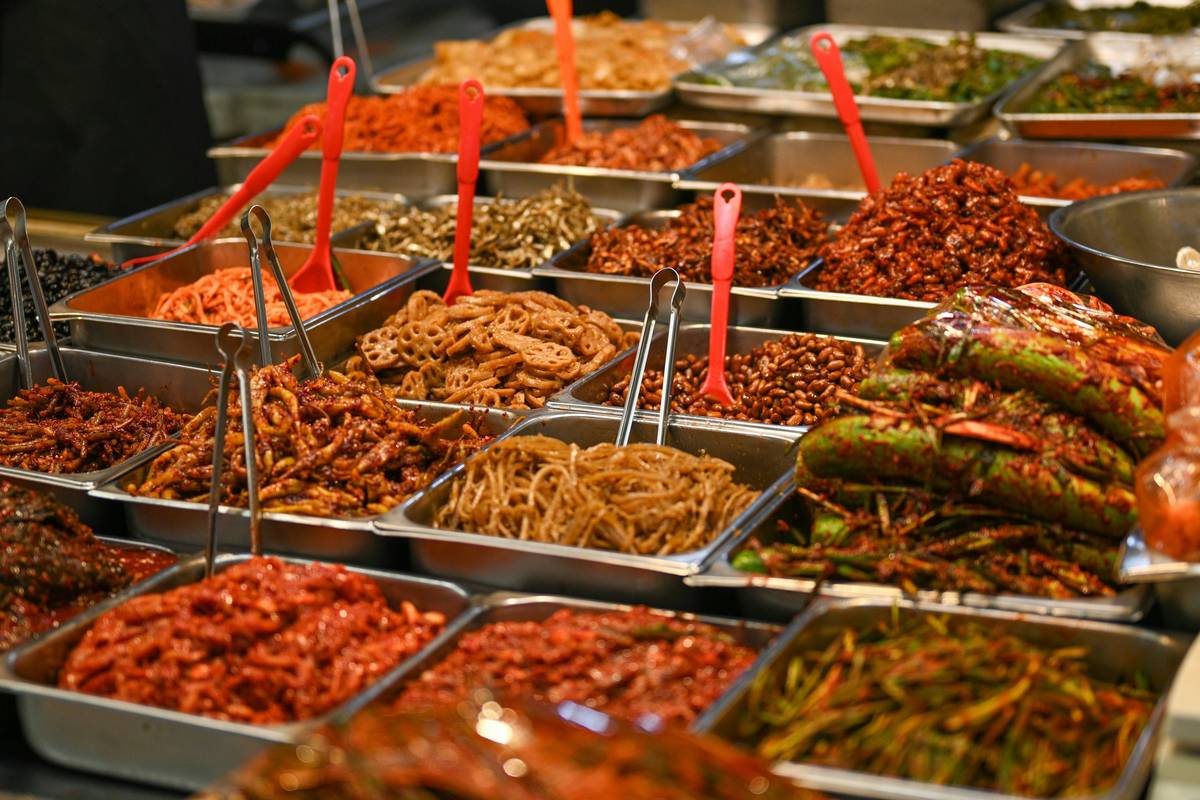
A $4 jar of sauerkraut beats a $50 probiotic capsule. Why? Live microbes in whole fermented foods come with co-factors your gut actually recognizes. Yogurt with live cultures, kimchi, miso—these deliver diversity no pill can replicate.
| Eating Strategy | Digestive Benefit | Cost (Monthly Estimate) | Risk of Side Effects |
|---|---|---|---|
| Commercial Probiotic Supplements | Moderate strain-specific support | $30–$60 | Medium (bloating if mismatched) |
| Homemade Fermented Foods | High microbial diversity + enzymes | $8–$15 | Low (if prepared safely) |
| Generic High-Fiber Diet | Variable—depends on fiber type | $20–$40 | High (if intolerant to FODMAPs) |
| Personalized Low-FODMAP Template | Targeted relief for IBS-like symptoms | $25–$50 | Low–Medium (requires guidance) |

The Industry Secret: Your Gut Talks to Your Liver—And Most Diets Ignore This
Here’s what functional medicine docs won’t shout from rooftops (but should): digestion doesn’t end in the intestines. It hinges on liver detox capacity. If your liver’s overwhelmed—by alcohol, excess sugar, or even certain medications—it backs up bile flow. No bile? Fat malabsorption. Bloating. Gallbladder sludge.
So yes—you could eat perfectly clean and still struggle… if your liver’s drowning. The fix? Strategic bitter greens (dandelion, arugula) before meals to stimulate bile. And ditch ultra-processed “low-fat” foods—they often replace fat with emulsifiers that shred your gut lining. Irony: avoiding fat worsens fat digestion.
FAQ
What should I eat first thing in the morning for gut health?
Warm lemon water or diluted apple cider vinegar—10 minutes before food. This gently stimulates stomach acid and bile. Then, pair protein with soluble fiber (e.g., eggs + cooked spinach).
Can healthy eating actually worsen digestive issues?
Absolutely. Overloading on raw veggies, excessive smoothies, or sudden high-fiber shifts can trigger bloating—especially with SIBO or IBS. Progress slowly. Cooked > raw during flare-ups.
How long until diet changes improve digestion?
Most notice shifts in 3–7 days—less gas, better stool consistency. Full microbiome remodeling takes 4–6 weeks. Consistency beats intensity.