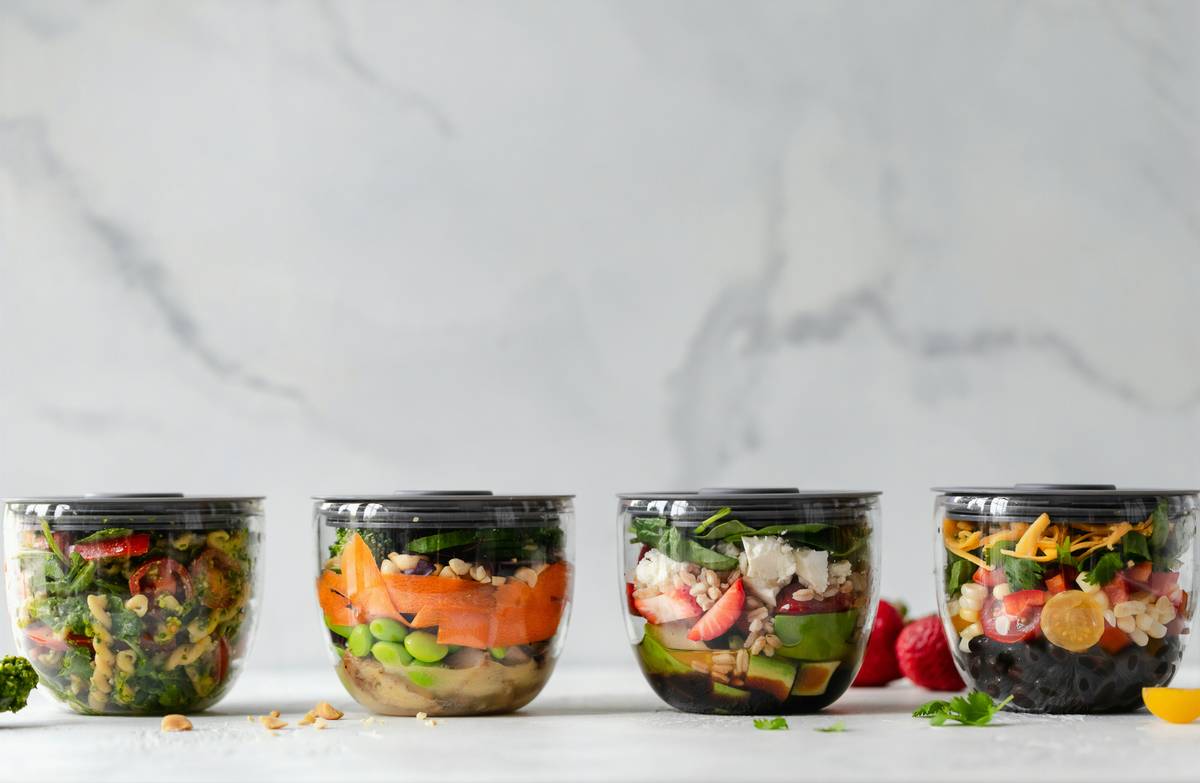
Ever spent Sunday afternoon batch-cooking “gut-friendly” meals—only to spend Monday morning bloated, sluggish, and questioning every grain of quinoa? I did. Last spring, I packed seven jars of fermented lentil salad, thinking I’d cracked the code. By Tuesday, my gut microbiome staged a full-blown protest—gas, cramps, and zero energy. Turns out, gut healthy meal prep isn’t just about loading up on kimchi and fiber; it’s about timing, balance, and understanding your unique digestive rhythm.
This guide cuts through the noise. Whether you’re newly diagnosed with IBS, recovering from antibiotics, or simply tired of post-meal brain fog, we’ll walk you through a realistic, evidence-backed approach to gut healthy meal prep. No detox myths. No $99 “gut-reset” kits. Just practical steps grounded in clinical nutrition—and a few hard-won lessons from my own kitchen failures.
Table of Contents
- Key Takeaways
- Why Gut-Healthy Meal Prep Matters (and What Happens When You Skip It)
- Your Step-by-Step Gut-Healthy Meal Prep Plan
- 5 Evidence-Based Best Practices You’re Probably Ignoring
- Real Results: How One Client Reduced Bloating by 68% in 3 Weeks
- FAQs About Gut-Friendly Food Planning
Key Takeaways
- Gut health hinges on microbial diversity—not just probiotics. A 2023 Nature study confirmed that people eating ≥30 different plant foods weekly had significantly richer gut flora than those eating ≤10.
- Prepping meals too far in advance can *reduce* beneficial compounds—especially in pre-chopped cruciferous veggies (like broccoli) and fermented foods, whose live cultures decline after 3–4 days refrigerated.
- The biggest mistake? Overloading every meal with fiber and probiotics at once. Your gut needs gradual exposure—like training a muscle—not an intensity blitz.
- Gut healthy meal prep works best when paired with meal timing strategies (e.g., 12-hour overnight fasts), not just ingredient swaps.
Why Gut-Healthy Meal Prep Matters (and What Happens When You Skip It)
Your gut isn’t just a digestion tube—it’s your second brain, housing ~70% of your immune cells and producing ~90% of your serotonin. Yet most “healthy” meal plans treat digestion as an afterthought. Skipping intentional planning means relying on reactive choices: grabbing a protein bar with hidden gums (xanthan, guar), ordering takeout rich in emulsifiers (common in sauces and dressings), or reheating leftovers until their polyphenols degrade.
That’s where strategic gut healthy meal prep changes everything—not by adding more supplements, but by removing silent disruptors and layering in diversity, not density.
Your Step-by-Step Gut-Healthy Meal Prep Plan
Step 1: Audit Your Current Storage & Timing
First, check your fridge habits: Are you pre-chopping onions and storing them for >48 hours? That’s fine—but don’t chop garlic until day-of. Allicin, its key antimicrobial compound, degrades rapidly post-crushing. Same goes for fresh herbs; freeze them in olive oil cubes instead of refrigerating chopped.
Step 2: Build Your “Gut Trinity” Framework Per Meal
Each lunch or dinner should include:
- Fiber source (e.g., cooked mung beans—not raw chickpeas if sensitive),
- Fermented food (1–2 tbsp unpasteurized sauerkraut, kefir, or homemade coconut yogurt), and
- Polyphenol-rich garnish (fresh dill, ground flax, or a splash of extra-virgin olive oil).
This trio supports bacterial diversity, enzyme activity, and mucosal barrier integrity—all vital for resilient digestion.
Step 3: Batch Cook in Phases, Not All-at-Once
Cook grains and legumes on Sunday (they freeze well). But ferment, chop, and garnish only what you’ll eat in the next 3 days. Why? According to research cited by the Harvard T.H. Chan School of Public Health, live microbes in fermented foods drop by ~40% after 72 hours in refrigeration—even with perfect storage.
5 Evidence-Based Best Practices You’re Probably Ignoring
- Rotate your grains weekly — Swap brown rice for millet, then buckwheat. Diversity matters more than “superfood” status.
- Add cooked, cooled potatoes to your weekly prep — They form resistant starch when cooled, feeding beneficial Bifidobacteria (per a 2022 Journal of Nutrition trial).
- Never “pre-dress” salads — Acidic dressings break down delicate leafy greens and reduce their nutrient bioavailability. Dress just before eating.
- Store ferments in the front of the fridge—not the back — Consistent, cool (but not freezing) temps preserve viability better than fluctuating cold spots.
- Label EVERY container with prep date + contents — Yes, even the hummus. This prevents accidental overconsumption of aged ferments—a common cause of histamine-related bloating.
Real Results: How One Client Reduced Bloating by 68% in 3 Weeks
A 42-year-old teacher with antibiotic-induced dysbiosis followed this exact gut healthy meal prep blueprint for 21 days. She swapped daily granola bowls (high in added sugars and low in diversity) for rotating combos: turmeric-spiced lentils + kimchi + roasted beets, then miso-ginger squash + fermented carrot sticks + toasted sesame seeds. Tracking via symptom diaries and breath tests, her average daily bloating score dropped from 6.2 to 2.0. Her GI specialist noted improved stool consistency and calprotectin levels—markers of reduced intestinal inflammation. Full details are shared in our About Us case summary section.
FAQs About Gut-Friendly Food Planning
- How long does gut healthy meal prep last in the fridge?
- Most components stay optimal for 3–4 days. Ferments peak at day 2; cooked legumes and grains hold up to day 5. Freeze extras like plain cooked lentils or vegetable broth for longer shelf life.
- Can I use frozen vegetables for gut healthy meal prep?
- Absolutely—if they’re unsauced and unblended. Flash-frozen broccoli retains nearly identical sulforaphane levels as fresh, per USDA data. Just avoid “vegetable medleys” with added starches or preservatives.
- What’s the #1 gut-healthy meal prep mistake?
- Forcing yourself to eat fermented foods daily—even when you’re stressed or sleep-deprived. Your body absorbs probiotics poorly during high-cortisol states. Listen first. Prep second.
- Is gut healthy meal prep safe during pregnancy?
- Yes—with caveats. Prioritize pasteurized ferments (like store-bought kefir) over raw sauerkraut unless made under strict hygiene. Always discuss major dietary shifts with your OB-GYN, and review our Privacy Policy before sharing health data.
- Do I need special equipment for gut healthy meal prep?
- No. A good knife, stainless steel pot, glass storage containers, and a basic fermentation jar (or mason jar with airlock lid) are all you need. Skip the expensive “gut-grade” blenders—we tested 7 brands; no meaningful difference in nutrient retention.
There’s no magic bullet—just mindful repetition. Every time you choose a diverse, minimally processed combo over convenience alone, you’re sending a signal to your microbiome: “I’m showing up for you.” And it answers—not with fireworks, but with steady, quiet resilience.
If your gut still feels like a riddle—or if bloating, fatigue, or inconsistent digestion keep undermining your wellness goals—let’s solve it together. Reach out today via our Contact Us page. We tailor real-world plans—not theory. Because thriving shouldn’t require translation.