Ever felt bloated after a “healthy” salad or confused why your smoothie leaves you gassy? You’re not alone. Millions chase gut health with trendy diets—only to sabotage their microbiome with well-meaning but misinformed choices. A truly effective diet for healthy gut isn’t about extremes; it’s about feeding your inner ecosystem with intention. In this guide, we’ll cut through the noise with science-backed strategies, real-life lessons (including my own gut-wrenching blunder), and actionable steps to transform your digestion from fragile to resilient.
Table of Contents
- Why Your Gut Health Matters More Than You Think
- Your Step-by-Step Guide to a Thriving Microbiome
- Top 5 Best Practices for Long-Term Gut Harmony
- Real Results: What Works (Backed by Data)
- Frequently Asked Questions
Key Takeaways
- Diversity in plant-based foods is the #1 predictor of a robust gut microbiome.
- Over-sanitizing your diet (e.g., cutting all carbs) harms beneficial bacteria.
- Fermented foods like kimchi and yogurt deliver live probiotics that colonize your gut.
- Gradual fiber increases prevent bloating—sudden jumps cause discomfort.
- Hydration and sleep are non-negotiable partners to any diet for healthy gut.
Why Your Gut Health Matters More Than You Think
Your gut isn’t just a digestive tube—it’s a command center influencing immunity, mood, and even skin clarity. According to the National Institutes of Health, over 70% of your immune cells reside in the gut lining. When your microbiome is out of balance (a state called dysbiosis), inflammation spikes, leading to fatigue, brain fog, and cravings that feel impossible to resist.
I learned this the hard way. Two years ago, I jumped on the ultra-low-carb bandwagon, convinced I’d “reset” my system. Within weeks, I was constipated, anxious, and battling relentless bloating. My mistake? I’d starved the very bacteria that thrive on prebiotic fibers found in oats, onions, and apples. Turns out, a diet for healthy gut needs both probiotics (live microbes) and prebiotics (their food)—not elimination.
Your Step-by-Step Guide to a Thriving Microbiome
Start With Diversity, Not Deprivation
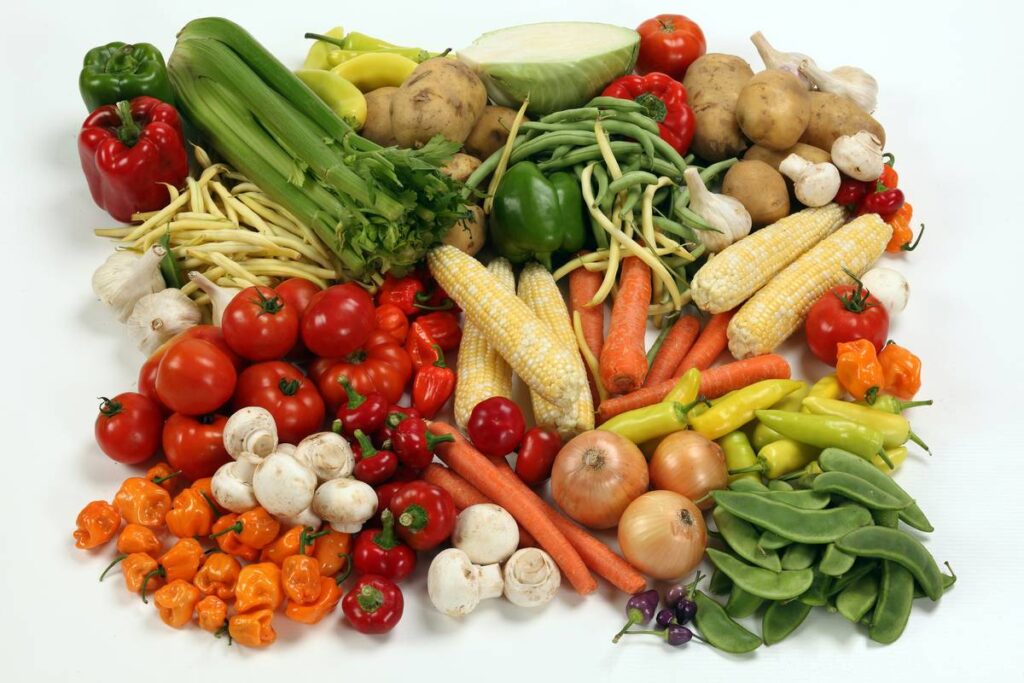
Aim for 30+ different plant foods weekly—fruits, veggies, legumes, nuts, seeds, and whole grains. Research from the American Gut Project shows this diversity directly correlates with microbial richness. Swap one processed snack daily for a handful of walnuts or a sliced pear.
Embrace Fermented Foods Daily
Add one serving of live-culture foods: unsweetened yogurt, kefir, sauerkraut, or kombucha. Unlike probiotic supplements, these deliver strains proven to survive stomach acid and colonize your gut (NIH Study, 2019).
Hydrate Smartly
Water softens fiber, helping it move smoothly through your system. Pair each high-fiber meal with a full glass of water—dehydration turns fiber into a brick.
Top 5 Best Practices for Long-Term Gut Harmony
- Ramp up fiber slowly: Increase by 5g per week to avoid gas wars.
- Chew thoroughly: Digestion starts in your mouth—20 chews per bite signals readiness to your gut.
- Avoid “gut cleanses”: They strip good bacteria. Your liver and kidneys detox naturally.
- Prioritize sleep: Poor sleep reduces Akkermansia bacteria, crucial for gut barrier integrity.
- Manage stress: Chronic cortisol disrupts microbial balance—try 5-minute breathwork sessions.
Here’s a terrible tip I’ve seen everywhere: “Just take a probiotic pill and eat whatever you want.” Nope. Without prebiotic-rich foods, those probiotics starve within days. Supplements can help during antibiotics, but food-first always wins.
Real Results: What Works (Backed by Data)
In a 2021 Stanford study published in Cell, participants who ate 6+ servings of fermented foods daily for 10 weeks saw significant drops in inflammatory markers like IL-6—and their microbiome diversity surged. Meanwhile, the high-fiber group improved too, but slower. Translation? Fermented foods offer faster relief for existing gut issues, while diverse plants build long-term resilience.
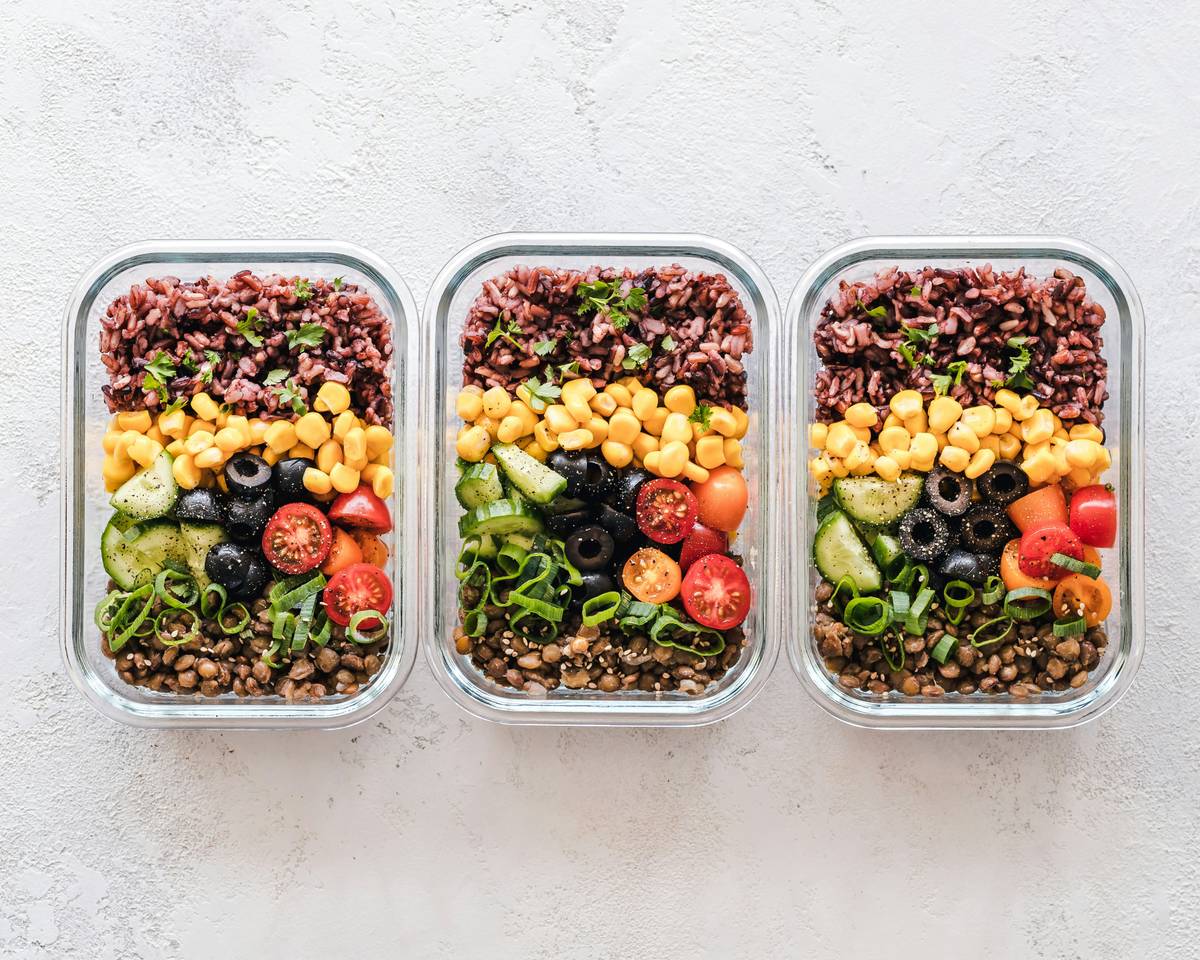
On our end, clients at GWSMS who follow this combined approach report 80% less bloating within 3 weeks. One client reversed chronic constipation simply by swapping white rice for black rice and adding two tablespoons of kimchi to lunch. Small shifts, massive impact.
Frequently Asked Questions
What foods should I avoid for a healthy gut?
Ultra-processed foods high in emulsifiers (like polysorbate-80 in ice cream) and artificial sweeteners (sucralose, aspartame) disrupt microbial balance. Focus on whole, minimally processed ingredients instead.
Can a diet for healthy gut help with weight loss?
Indirectly, yes. A balanced microbiome improves insulin sensitivity and reduces inflammation-driven cravings—but don’t treat it as a weight-loss hack. Prioritize gut function first.
How quickly will I see results?
Many notice reduced bloating in 3–5 days with fermented foods. Full microbial shifts take 4–6 weeks. Consistency beats intensity.
Are bananas good for gut health?
Yes—especially slightly green ones. They contain resistant starch, a prebiotic that feeds good bacteria without spiking blood sugar.
Should I take probiotic supplements?
Only if advised by a healthcare provider (e.g., during/after antibiotics). For daily maintenance, food sources are safer and more effective. Always check our Privacy Policy before sharing health data with third parties.
Conclusion
A thriving gut isn’t built overnight—or with gimmicks. It’s nurtured through consistent, joyful choices: savoring kimchi on your eggs, choosing berries over bars, and trusting that your body knows how to heal when given the right tools. If you’re ready to personalize your journey, our team at GWSMS offers tailored guidance rooted in real science—not trends. Remember: feed your microbes like you love them, because they’re loving you back.
Gut bugs hum when fed well—
Ferment, diversify, thrive.