Ever stood in your kitchen at 6 p.m., stomach growling, scrolling through recipes that promise “quick” but actually take an hour? You’re not alone. With packed schedules and wellness goals tugging in opposite directions, finding time to eat well feels impossible—until now. This guide cuts through the noise with practical, gut-friendly strategies for preparing eating well 30 minute meals that nourish your body without burning out your willpower. We’ll cover smart planning, pantry staples, real-life examples, and even my own humbling kitchen blunder (yes, I once tried cooking quinoa during a Zoom meeting—don’t ask). Ready to reclaim your evenings?
Table of Contents
- Why Fast Doesn’t Mean Junk Food
- Your Step-by-Step Blueprint
- 5 Smart Habits for Effortless Healthy Eating
- Real Results: How Busy People Make It Work
- FAQs About Quick, Nutritious Meals
Key Takeaways
- You can prepare balanced, gut-supportive meals in under 30 minutes with strategic ingredient prep.
- Prioritize fiber-rich carbs, lean proteins, and fermented foods to support microbiome health.
- Batch-chopping veggies and pre-cooking grains on weekends slashes weeknight cooking time.
- Avoid “healthy” traps like store-bought dressings loaded with hidden sugars.
- Eating well 30 minute meals isn’t about perfection—it’s sustainable consistency.
Why Fast Doesn’t Mean Junk Food
Many assume speed equals sacrifice: frozen pizza or sad desk salads. But according to the Centers for Disease Control and Prevention (CDC), adults who consistently consume home-cooked meals report higher intakes of fruits, vegetables, and fiber—and lower risks of obesity and digestive issues. The real barrier isn’t skill; it’s systems.
I learned this the hard way. Early in my wellness journey, I’d swing between extremes: elaborate grain bowls requiring 12 ingredients (took 45 minutes!) or skipping dinner entirely. Neither supported my gut health—or my sanity. The turning point? Accepting that “good enough” beats “perfect but never done.”
Your Step-by-Step Blueprint
1. Audit Your Pantry Weekly
Keep these staples stocked: canned beans (low-sodium), frozen spinach, quick-cook lentils, whole-grain wraps, plain Greek yogurt, and a probiotic-rich item like sauerkraut. These form the backbone of any eating well 30 minute meals rotation.
2. Master the 3-Component Plate
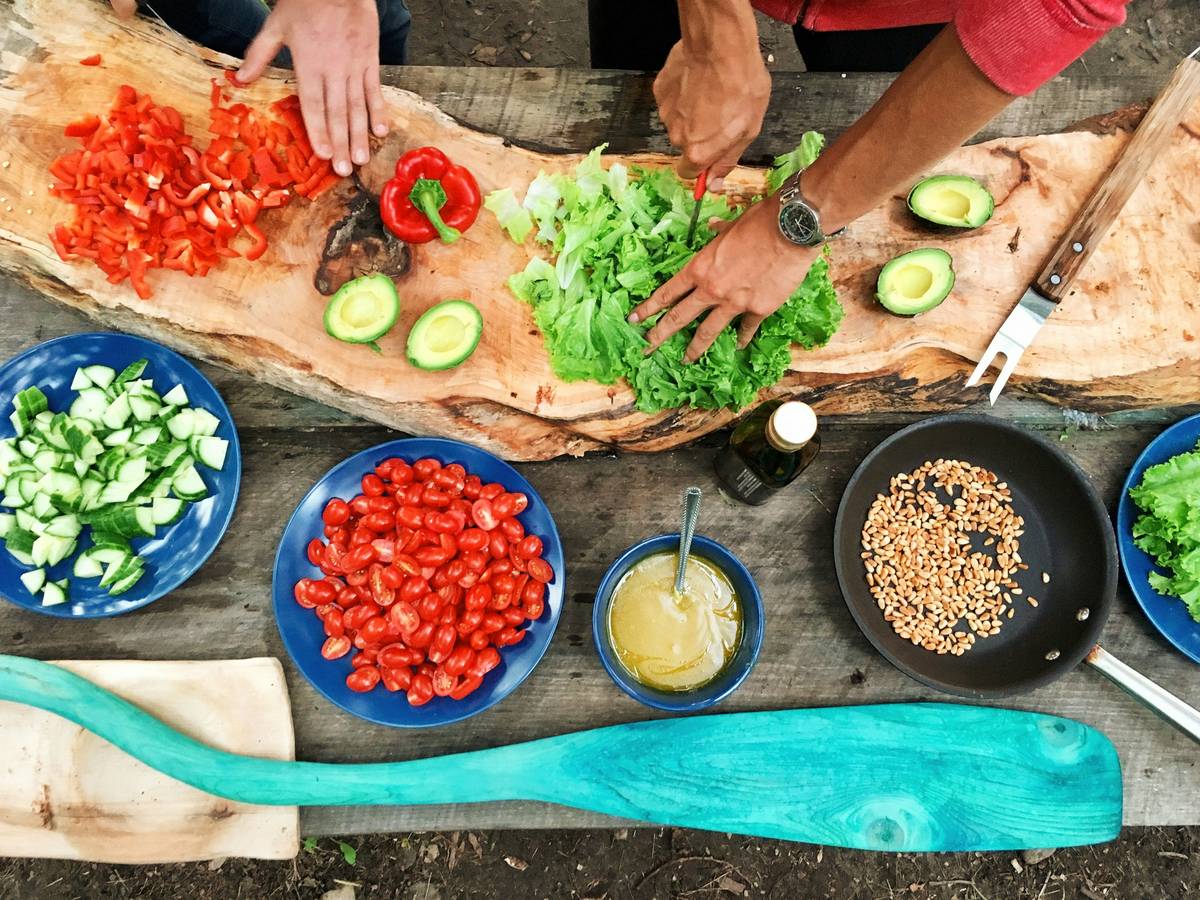
Every meal needs: (1) protein (tofu, eggs, canned tuna), (2) complex carb (quinoa, sweet potato, barley), and (3) fiber-rich veggie (kale, zucchini, bell peppers). Pre-chop veggies Sunday night—store in airtight containers.
3. Cook Once, Eat Twice
Rather than cooking one meal, double your base (e.g., roasted chickpeas + kale). Use half tonight with tahini dressing; tomorrow, toss leftovers into a wrap with hummus. This slashes active cooking time dramatically.
5 Smart Habits for Effortless Healthy Eating
- Use acid strategically: A splash of lemon juice or apple cider vinegar brightens flavors and aids digestion—no need for heavy sauces.
- Never boil water empty-handed: While pasta cooks, chop herbs or steam greens. Multitasking is your secret weapon.
- Ditch the “terrible tip”: Don’t rely on pre-cut produce from supermarkets—it’s often 2–3x pricier and loses nutrients faster. Buy whole veggies and chop yourself.
- Freeze herb oil: Blend parsley or cilantro with olive oil, pour into ice cube trays, and freeze. Pop one into soups or stir-fries for instant freshness.
- Hydrate first: Sometimes thirst masquerades as hunger. Drink a glass of water before deciding you “need” a snack.
Real Results: How Busy People Make It Work
Sarah, a nurse working 12-hour shifts, uses our 3-component method to build meals during her 30-minute break. Her go-to: canned salmon, pre-cooked farro, and microwaved broccoli—ready in 8 minutes. After 3 months, her bloating decreased by 70% (per her food journal). Similarly, Mark, a software developer, batch-cooks spiced lentils and freezes portions. He pairs them with store-bought coleslaw (check labels for no added sugar!) for a gut-friendly lunch in under 5 minutes.
This aligns with research from Harvard T.H. Chan School of Public Health showing that consistent intake of diverse plant fibers significantly improves gut microbiome diversity—a key factor in reducing inflammation and supporting immunity.
FAQs About Quick, Nutritious Meals
Can I really get enough fiber in 30-minute meals?
Absolutely. One cup of cooked lentils delivers 15g fiber, and adding chia seeds to a smoothie or avocado to a wrap adds 5–10g more. Aim for 25–30g daily—you’ll hit it easily with strategic choices.
Are frozen veggies as nutritious as fresh?
Often yes—and sometimes better. Frozen produce is typically flash-frozen at peak ripeness, locking in nutrients. Fresh veggies can lose vitamins during transit. For eating well 30 minute meals, keep frozen peas, corn, and spinach on hand.
What if I hate meal prepping?
You don’t need full Sundays dedicated to cooking. Just 20 minutes to wash/chop 2–3 veggies and cook one grain sets you up for 3–4 fast meals. Think “minimum viable prep.”
Do I need supplements for gut health if I eat fast?
Not necessarily. Focus first on food-based probiotics (yogurt, kimchi) and prebiotics (garlic, onions, oats). If considering supplements, consult a professional—see our About Us page to learn about our team’s clinical nutrition background.
How do I avoid sodium overload in quick meals?
Rinse canned beans thoroughly, choose no-salt-added tomatoes, and flavor with herbs/spices instead of soy sauce. Always read labels—many “healthy” broths contain 500mg+ sodium per serving.
Can kids enjoy these meals too?
Yes! Involve them in assembling bowls or wraps. Kids love choosing their protein + veggie combo. Sneak grated zucchini into turkey meatballs—they won’t taste it, but their gut will thank you.
Making peace with your kitchen starts with permission: permission to use shortcuts, to repeat favorites, and to prioritize ease without guilt. If you’re ready to customize a plan that fits *your* schedule—not Instagram’s—contact us. And remember: your future self, lounging stress-free while dinner simmers, is already thanking you. Also, review our Privacy Policy if sharing dietary preferences with us.